Vegan Leather: Myth or Truly Sustainable Choice?

Vegan leather has become a popular choice in modern fashion, often promoted as an ethical and environmentally friendly alternative. The term itself suggests a cleaner and more conscious material. However, the reality is more complex.
What is vegan leather made of
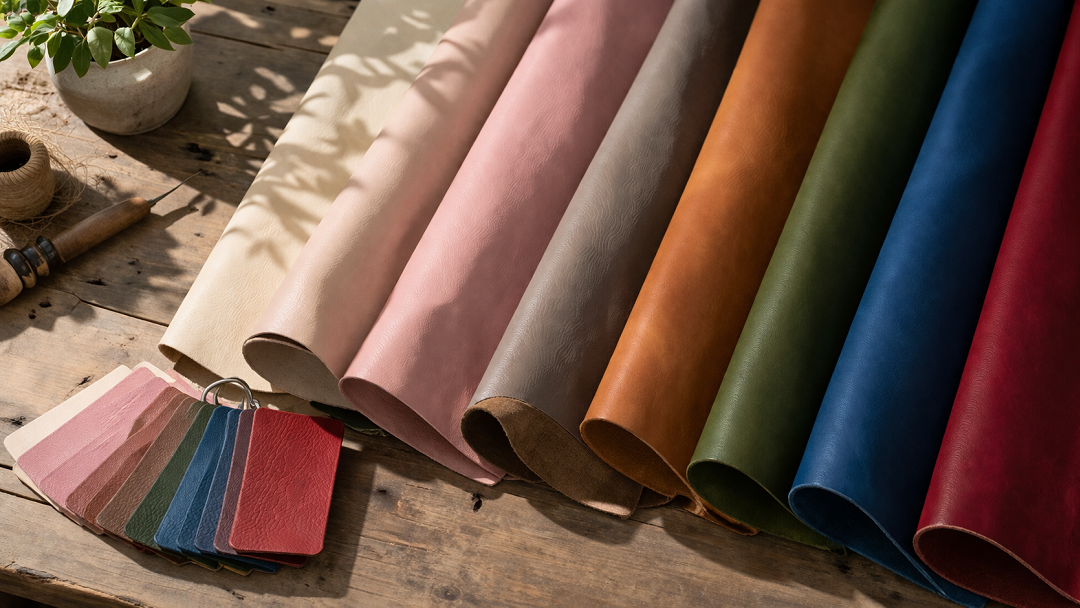
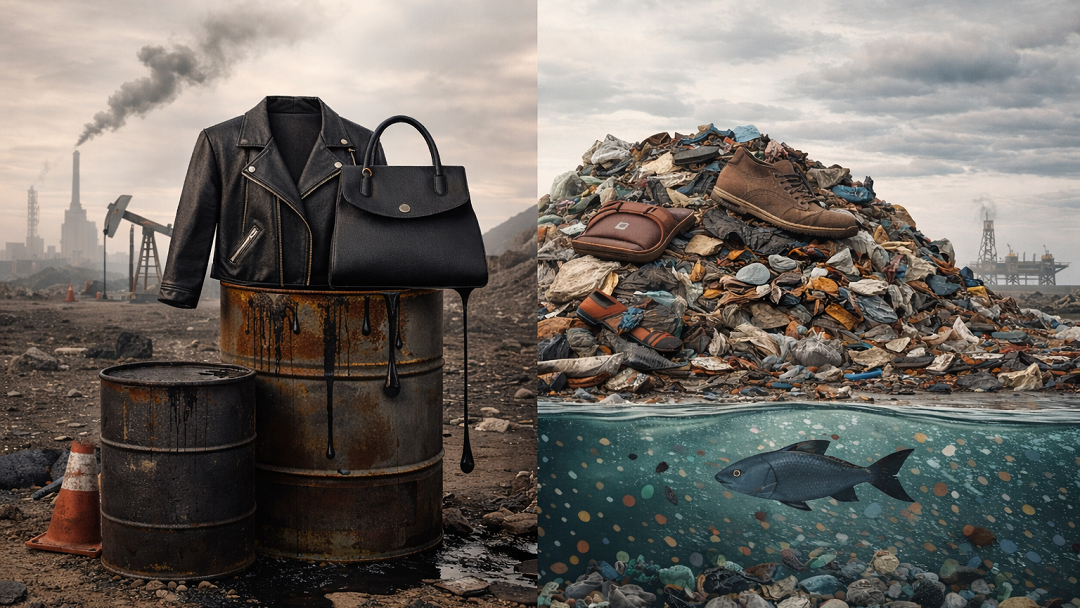
Most vegan leather is actually synthetic material such as PVC or PU. These are derived from crude oil, a non-renewable resource with significant environmental impact.
The production process involves extraction, transportation and refining. Each step contributes to pollution, carbon emissions and ecosystem damage. The final result is plastic designed to look like leather.
Daily use and microplastics
The impact continues during everyday use. Synthetic leather releases microplastics through friction, bending and wear.
These particles end up in water systems, soil and eventually the human body. They do not break down easily and accumulate over time, creating long-term environmental concerns.
End of life impact
Unlike natural materials, vegan leather is not biodegradable. Products made from PVC and PU can remain in landfills for hundreds of years.
Each discarded item becomes part of a growing environmental issue that does not disappear.
Is it really sustainable?
Choosing non-animal materials is a conscious decision, but sustainability involves more than that.
When a material is derived from fossil fuels, releases microplastics and does not decompose, its environmental footprint remains significant.
Conclusion
Material choice is not only about aesthetics but also about environmental impact. Vegan leather is not always the green solution it appears to be.
True sustainability starts with understanding materials and choosing options that offer transparency, durability and responsibility.