Leather and Pets: How to Protect Your Leather Furniture from Scratches

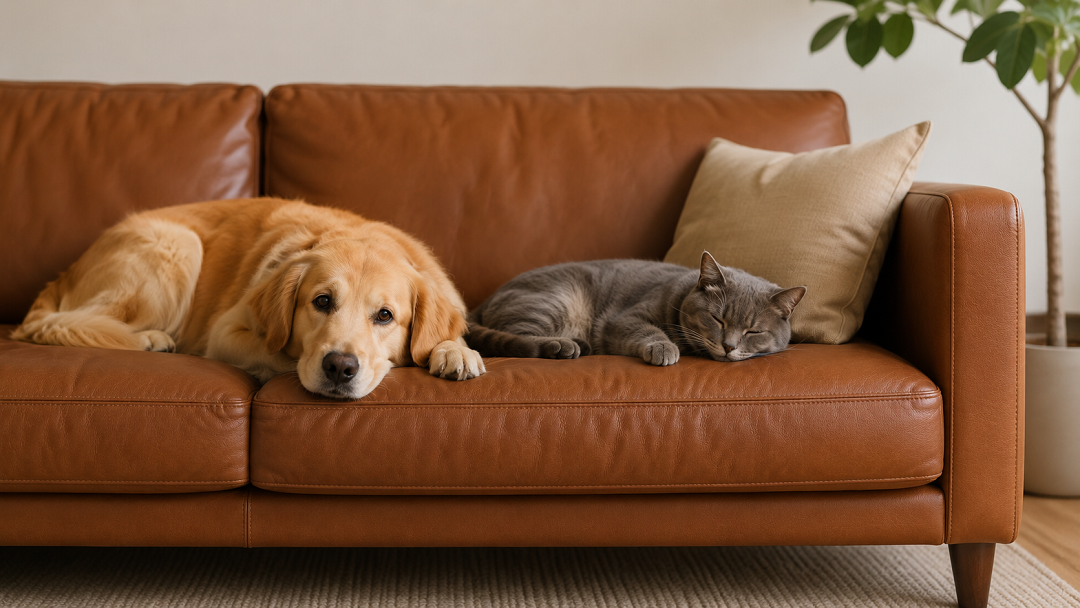
Living with a dog or a cat brings joy, companionship, and countless unforgettable moments. However, it also comes with a few everyday challenges, especially if your home features leather furniture. One of the most common concerns among pet owners is whether their leather sofa or armchair can withstand claws, daily use, and playful behavior without losing its beauty.
Many people assume that owning pets means they should avoid leather furniture altogether. In reality, the opposite is often true. High-quality genuine leather can be an excellent choice for pet-friendly homes, provided you choose the right type of leather and follow a few simple maintenance practices.
In this guide, we’ll explore how pets affect leather furniture, what causes scratches, and how you can keep your leather looking beautiful for many years.
Why Genuine Leather Is Still an Excellent Choice for Pet Owners
Compared to fabric upholstery, genuine leather offers several practical advantages. Pet hair doesn’t become deeply embedded in the material, making it much easier to remove with a microfiber cloth or a vacuum cleaner fitted with a soft brush attachment.
Leather is also less likely to absorb odors than many fabric materials, making it a popular choice for households with dogs or cats. Small spills and everyday dirt can usually be wiped away quickly before they become permanent stains.
Of course, leather is not indestructible. Sharp claws, energetic play, and a lack of regular maintenance can eventually leave marks on the surface. Understanding how these scratches occur is the first step toward preventing them.
What Causes Most Scratches?
Many people believe scratches happen because pets intentionally damage furniture. While this can occasionally happen—particularly with cats—the majority of scratches occur during normal daily activity.
Dogs often leave light marks when jumping on or off the sofa, shifting their weight suddenly, or running across the cushions during play. Cats may create scratches while climbing, stretching, or simply trying to maintain their balance on smooth leather surfaces.
Cats also have a natural instinct to sharpen their claws. Without an appropriate scratching post, leather furniture can easily become an attractive alternative.
Prevention Is Always Better Than Repair
Protecting leather furniture starts long before the first scratch appears. Keeping your pet’s nails properly trimmed significantly reduces the risk of deep scratches while making everyday contact much gentler on the leather surface.
For cat owners, investing in a high-quality scratching post is one of the most effective preventive measures. Placing it close to your cat’s favorite resting area greatly increases the likelihood that it will be used instead of your furniture.
Dog owners can also reduce wear by providing a dedicated blanket or protective throw in their pet’s favorite spot on the sofa. This simple solution protects the leather while allowing your pet to remain comfortable.
Regular Maintenance Helps Leather Stay Durable
Like any natural material, genuine leather benefits from regular care. Over time, it gradually loses some of its natural oils, which can make the surface feel drier and less flexible.
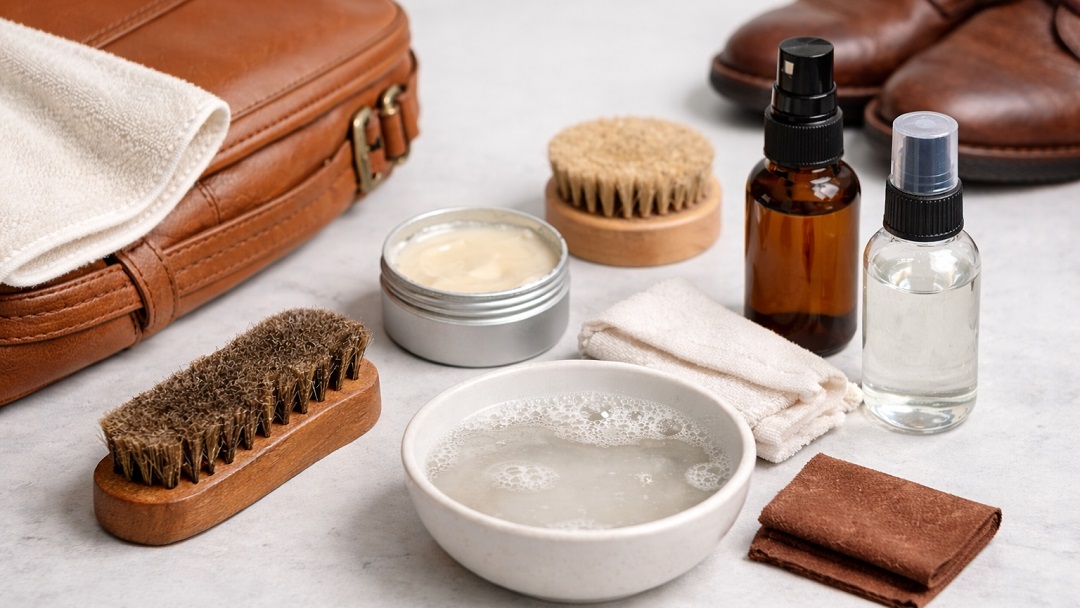
Cleaning leather with products specifically designed for genuine leather removes dust, pet hair, and dirt without damaging its finish. Periodically applying a quality leather conditioner helps maintain flexibility and reduces the likelihood that everyday wear will become permanent damage.
Avoid household cleaners, harsh chemicals, or products that are not intended for leather. These can strip away protective finishes and shorten the lifespan of the material.
What Should You Do If Your Leather Gets Scratched?
A small scratch does not necessarily mean your furniture has been ruined. Many superficial scratches can become much less noticeable after proper cleaning and conditioning with specialized leather care products.
However, if the scratch is deep or has damaged the leather’s surface, it is best to consult a professional leather restoration specialist. DIY repair methods found online may sometimes cause more harm than good, especially when inappropriate products are used.
Which Type of Leather Is Best for Homes with Pets?
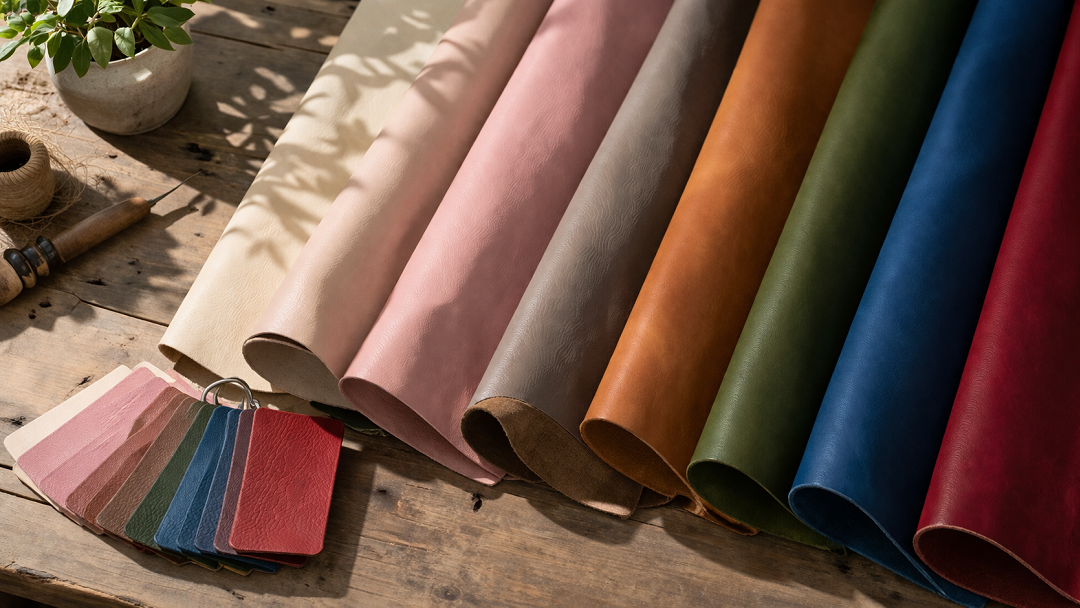
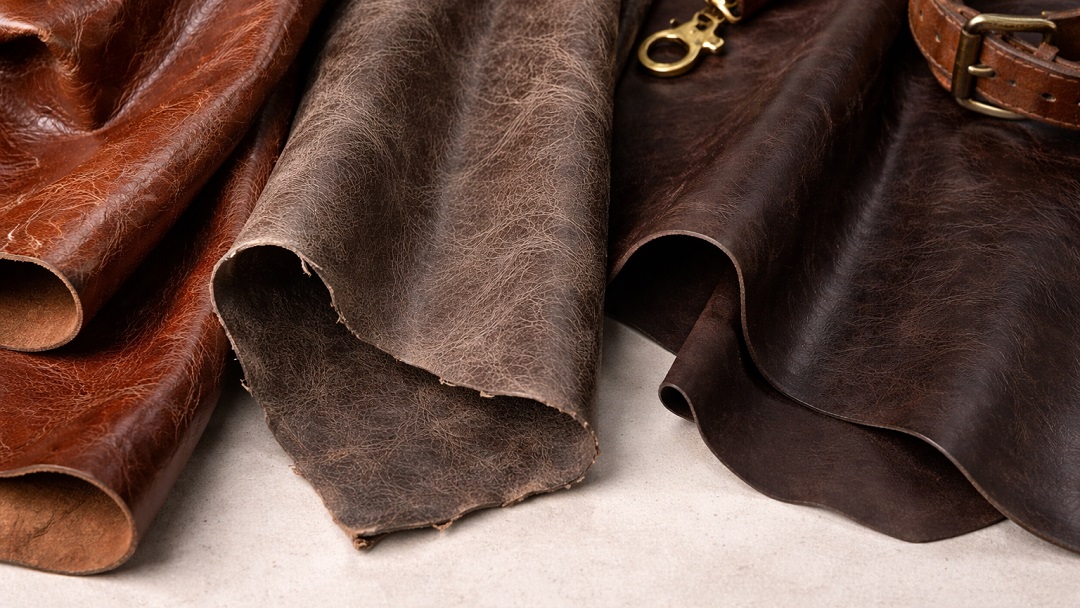
Not all genuine leather performs the same way in a home with pets. Pigmented leather, also known as protected leather, is generally considered one of the best options for families with dogs or cats. Its protective finish offers increased resistance to everyday wear and makes light scratches less noticeable.
On the other hand, premium leathers such as Aniline Leather provide exceptional softness and a luxurious natural appearance, but they are more delicate and require greater care. While they can certainly be used in homes with pets, owners should be prepared to invest more time in proper maintenance.
If you’re shopping for new leather furniture, discussing your lifestyle with the retailer can help you choose the leather type that best matches your household and your pets’ habits.
Small Daily Habits Make a Big Difference
Keeping leather furniture in excellent condition doesn’t require complicated routines. A few minutes of care each week can significantly extend its lifespan.
Regularly removing pet hair, cleaning small stains promptly, and conditioning the leather periodically all contribute to preserving its appearance and durability.
Creating a comfortable resting area specifically for your pet can also reduce the amount of time it spends on your furniture, helping minimize long-term wear.
Conclusion
Pets and leather furniture can absolutely coexist. With the right leather, regular maintenance, and a few preventive habits, there’s no reason you can’t enjoy both.
A quality leather sofa or chair is an investment designed to last for decades. By taking proper care of it and understanding how everyday pet activity affects natural leather, you can preserve its beauty while continuing to share your home with the companions you love most.
Frequently Asked Questions (FAQs)
Which type of leather is most resistant to pets?
Protected or pigmented leather is generally the best option for pet owners because its durable finish offers better resistance to everyday wear and light scratches.
How can I reduce scratches on my leather furniture?
Keeping your pet’s nails trimmed, providing scratching posts for cats, training your pets, and maintaining the leather regularly can significantly reduce the risk of scratches.
How do I clean leather furniture if I have pets?
Use a soft microfiber cloth to remove pet hair and dust, then clean the surface with products specifically formulated for genuine leather. Avoid harsh household cleaners and abrasive chemicals.
Can scratches on genuine leather be repaired?
Minor surface scratches can often be improved with proper leather care products, while deeper damage should be repaired by a professional leather restoration specialist.