Natural Leather: Why It Is a Sustainable Use of a Natural Resource?

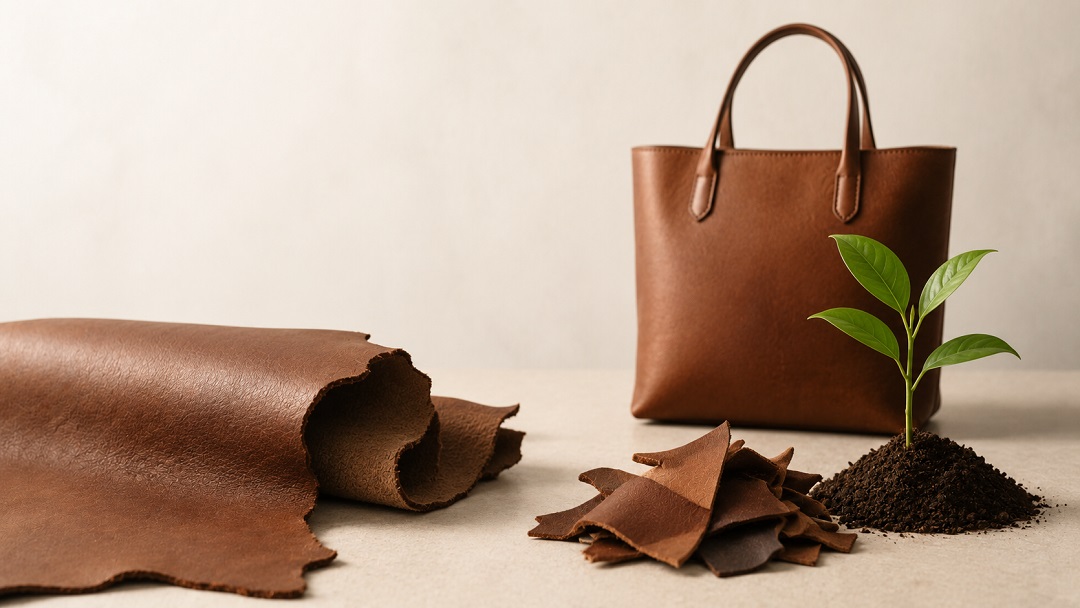
In recent years, natural leather has often been at the center of discussions about sustainability and environmental responsibility. Many people assume that leather is inherently harmful to the environment, without fully understanding where it comes from or the role it plays in making better use of natural resources.
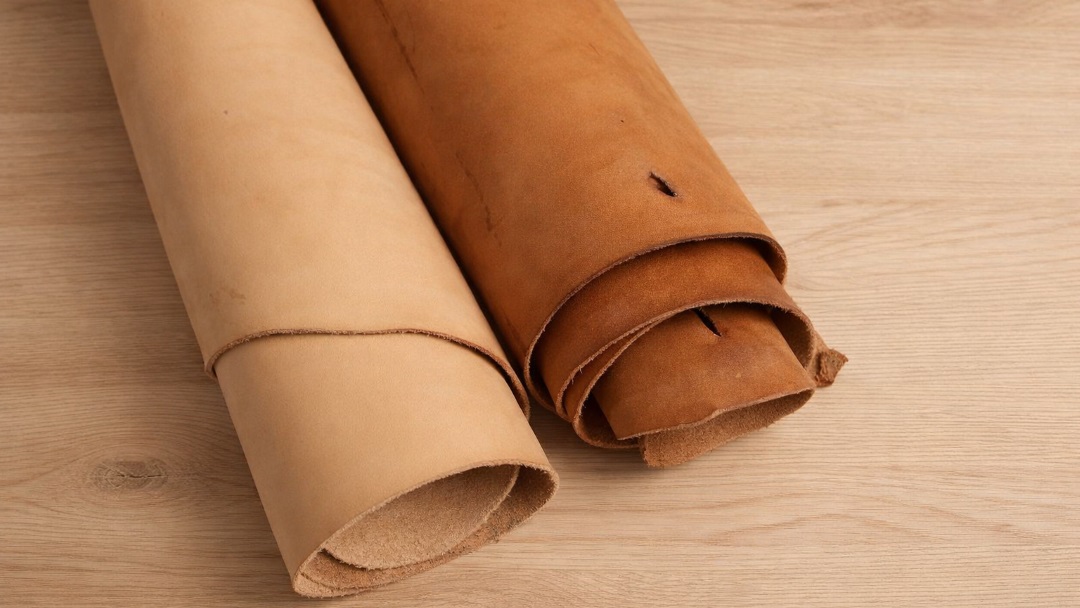
In reality, natural leather is not produced because animals are raised specifically for their hides. The raw material comes from the hides of animals raised for food production. Instead of being discarded as waste, these hides are transformed through the tanning process into a durable material with a long lifespan and countless applications.
Natural Leather Makes Use of a Natural By-Product
Leather is a natural by-product of the food industry. Since animals are primarily raised for meat and other food products, their hides already exist regardless of the leather industry.
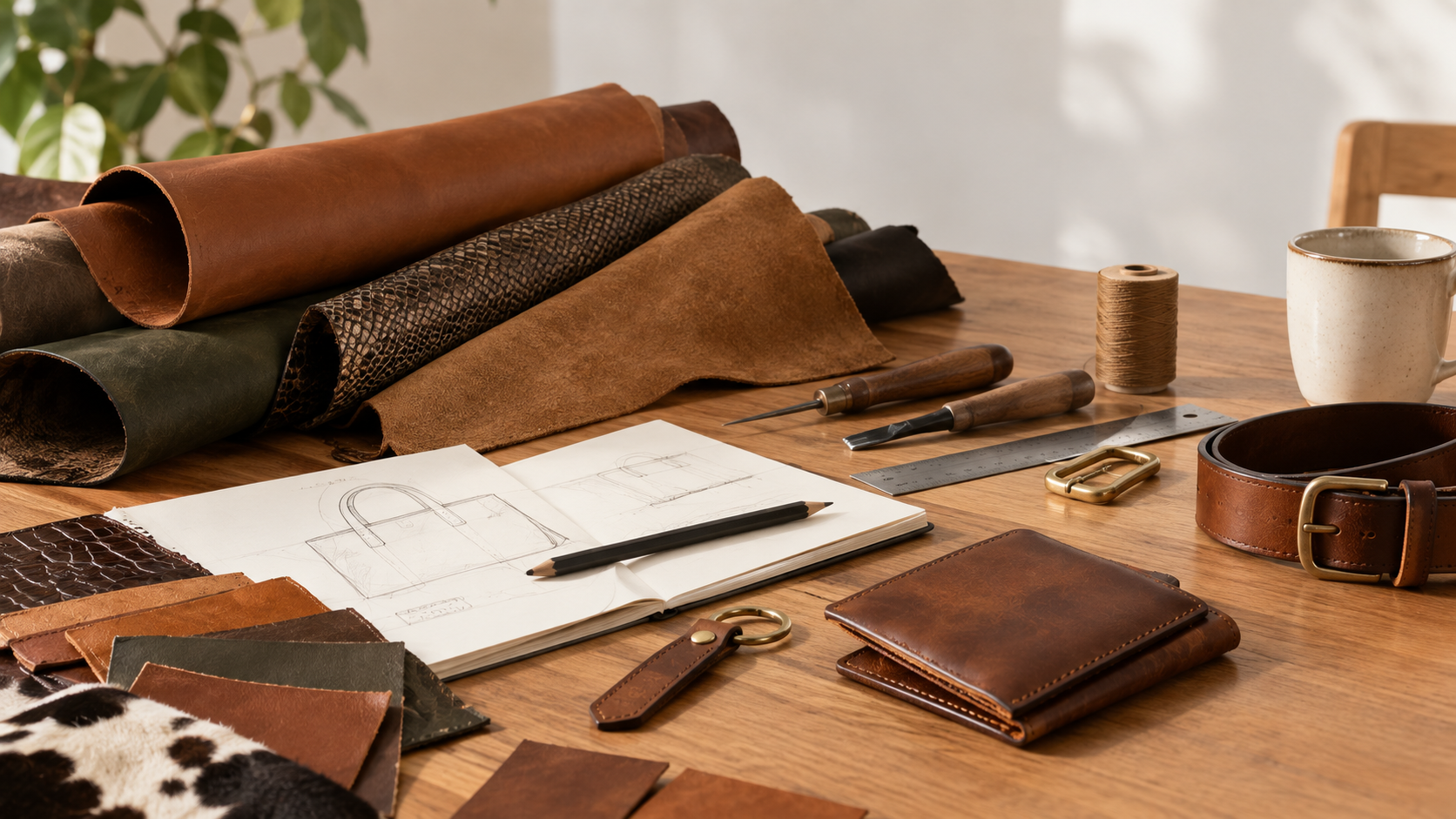
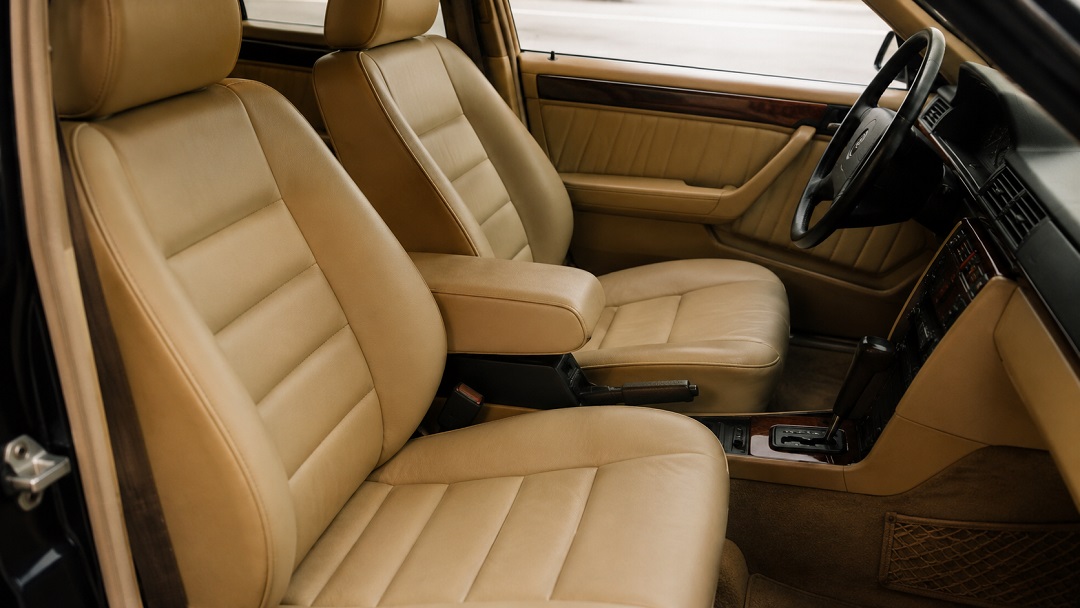
Rather than allowing these hides to become waste, the tanning industry transforms them into valuable materials used in footwear, bags, furniture, clothing, automotive interiors, and many other products.
This approach gives new life to an existing natural resource instead of allowing it to go to waste.
What Would Happen If Animal Hides Were Not Used?
Every year, millions of animal hides become available as part of food production. Without the leather industry, a significant portion of this material would require disposal.
Managing large quantities of organic waste requires energy, infrastructure, and processing, while decomposition can contribute to greenhouse gas emissions. By transforming hides into durable products, the leather industry helps utilize an existing resource instead of treating it solely as waste.
Tanning Transforms a Raw Hide into a High-Value Material
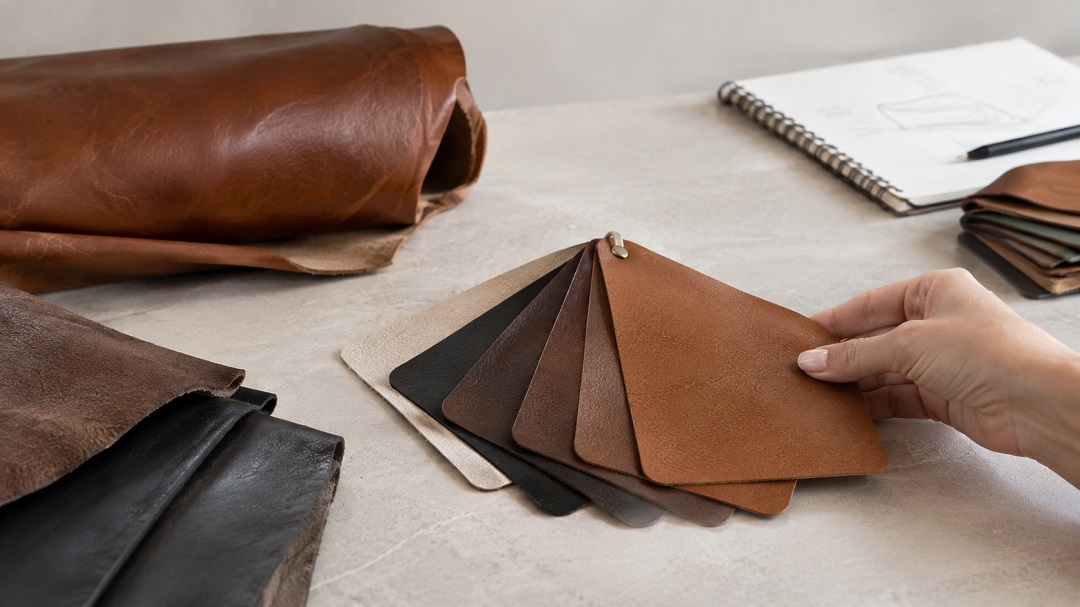
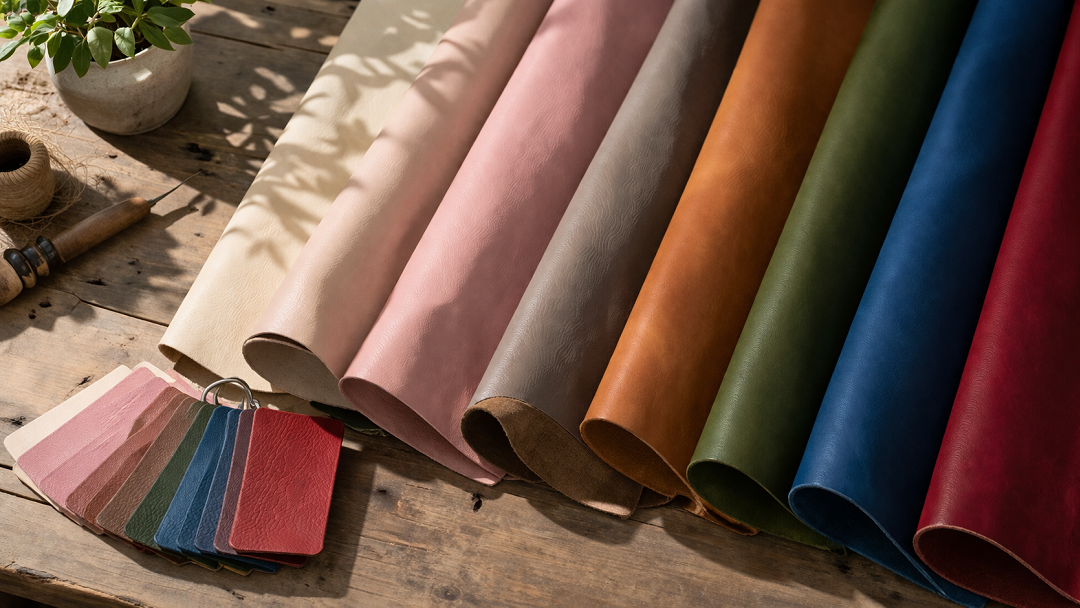
Turning a raw hide into premium leather is a process that combines centuries of craftsmanship with modern technology.
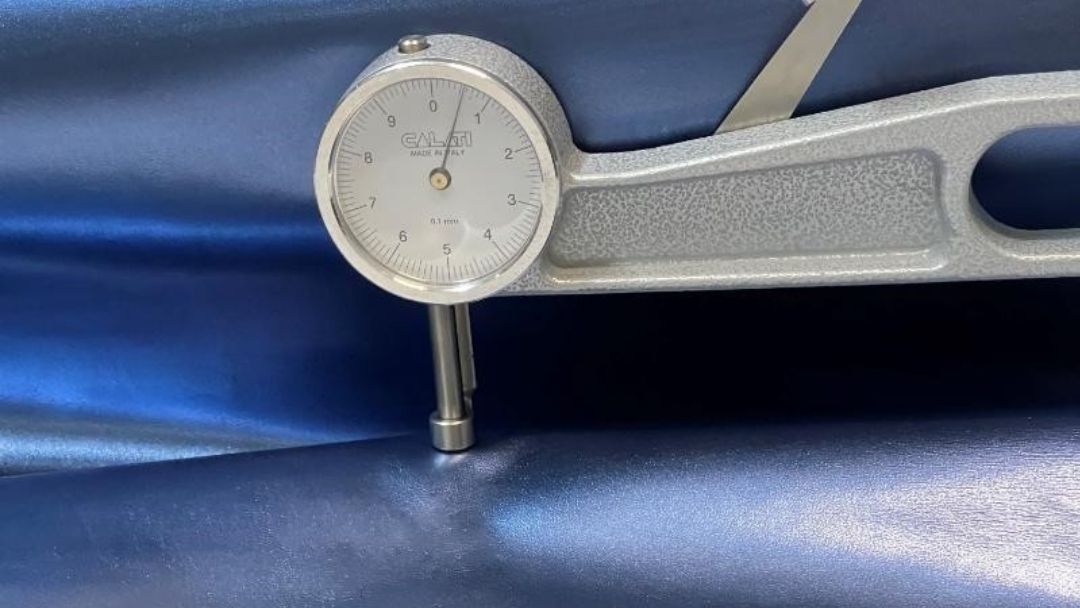
Each hide goes through multiple stages, including cleaning, preservation, tanning, dyeing, finishing, and quality control before becoming the leather used by manufacturers.
Thousands of skilled professionals contribute to this process, including chemists, engineers, machine operators, finishing specialists, quality inspectors, and experienced craftsmen.
The leather industry remains an important economic sector in countries such as Italy, Spain, Portugal, Turkey, and the United States, supporting thousands of jobs and preserving traditional expertise.
A Material Designed to Last for Decades
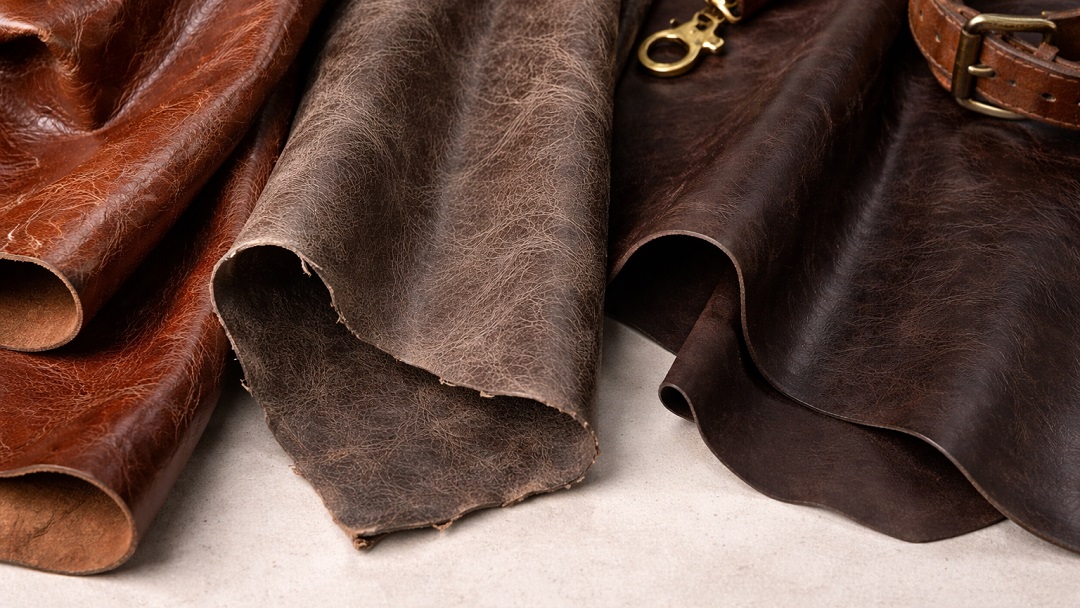
One of natural leather’s greatest advantages is its exceptional durability.
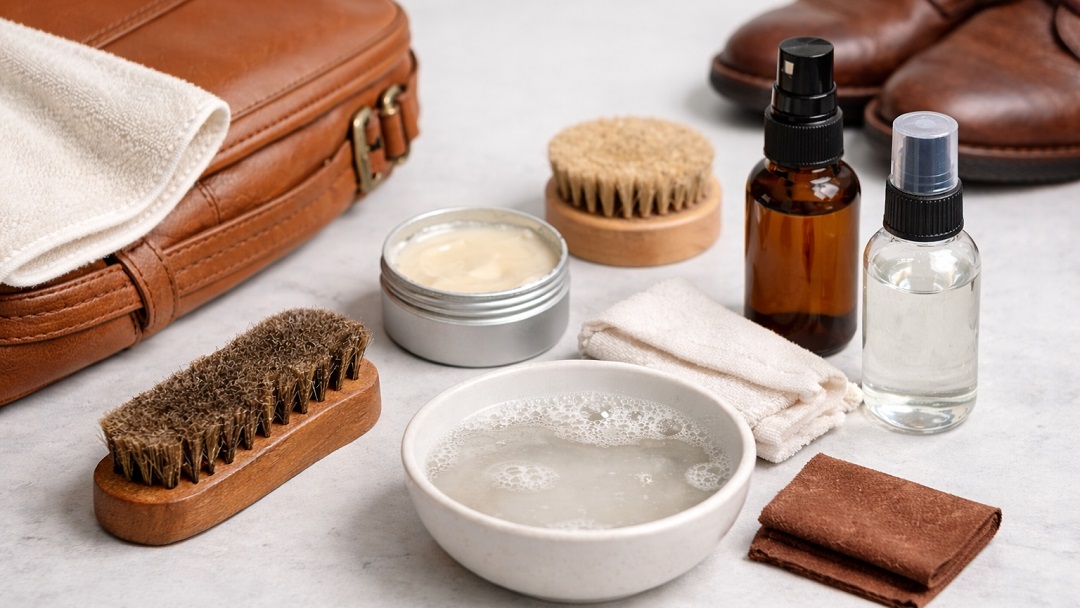
A well-made leather product can last for decades with proper care. It can often be cleaned, maintained, restored, and even repaired rather than replaced.
A longer product lifespan generally means fewer replacements, reduced consumption of raw materials, and less waste over time. For this reason, durability is considered an important factor when evaluating the overall sustainability of a material.
How Does Leather Compare with Synthetic Alternatives?
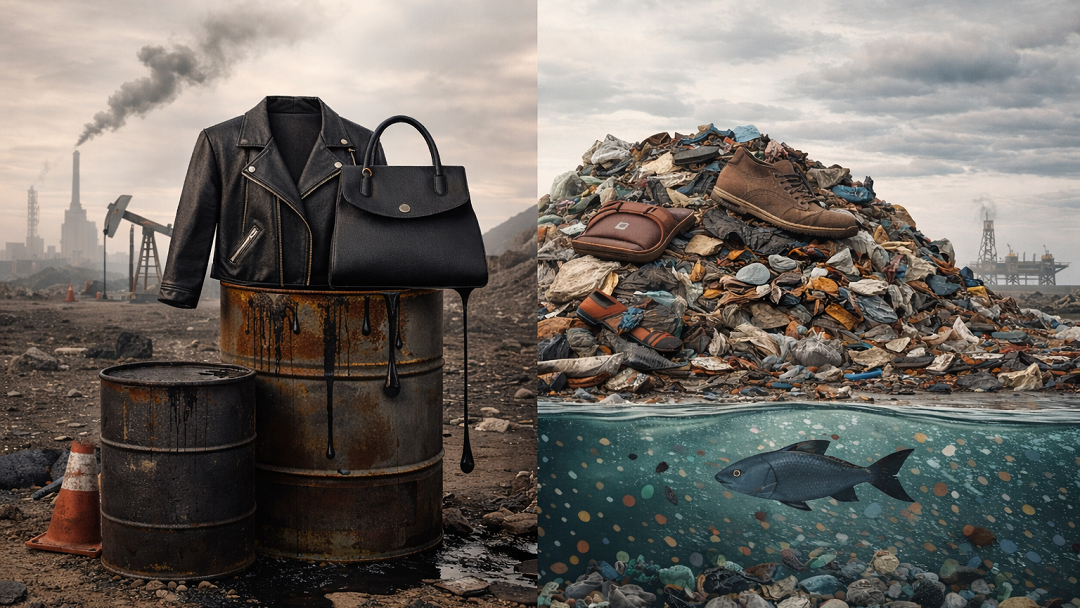
In recent years, many synthetic alternatives have entered the market under names such as artificial leather or vegan leather. Most of these materials are manufactured using synthetic compounds such as PVC or polyurethane (PU), which are derived from petrochemicals.
The performance and lifespan of synthetic materials vary significantly depending on their quality. In many cases, they wear out sooner than natural leather and can be more difficult or less economical to repair.
At the same time, new plant-based alternatives continue to emerge. These innovative materials are still evolving and differ greatly in terms of durability, composition, and environmental impact.
For this reason, comparing materials requires considering their entire life cycle rather than focusing solely on the raw material from which they are made.
Making Informed Choices
The conversation around natural leather is more complex than it may initially appear.
Natural leather makes use of a by-product of the food industry, transforming it into a durable, high-value material with a long service life. At the same time, its production supports skilled craftsmanship and an industry built on generations of expertise.
This does not mean that every leather production process has the same environmental impact. As with any manufacturing industry, environmental performance depends on production methods, resource management, and the sustainability practices adopted by each tannery.
By understanding the full picture—including origin, durability, repairability, and resource efficiency—consumers can make more informed decisions about the materials they choose.
Frequently Asked Questions (FAQs)
Does the leather industry raise animals solely for their hides?
No. The leather industry primarily uses hides that are by-products of the food industry. Instead of being discarded as waste, these hides are processed through tanning and transformed into durable, high-quality materials used in a wide range of products.
Why is natural leather considered a way to reduce waste?
Leather production gives value to animal hides that already exist as part of the food industry, reducing the amount of organic material that would otherwise require disposal.
How long can a quality leather product last?
With proper care and maintenance, a high-quality leather product can last for decades and can often be repaired or restored instead of replaced.
Are synthetic leather alternatives always more environmentally friendly?
Not necessarily. A material’s environmental impact depends on many factors, including its raw materials, manufacturing process, durability, repairability, and end-of-life management. Evaluating the full life cycle provides a more complete picture than considering only the material’s origin.