


Which Leather Is Suitable for Furniture Upholstery?

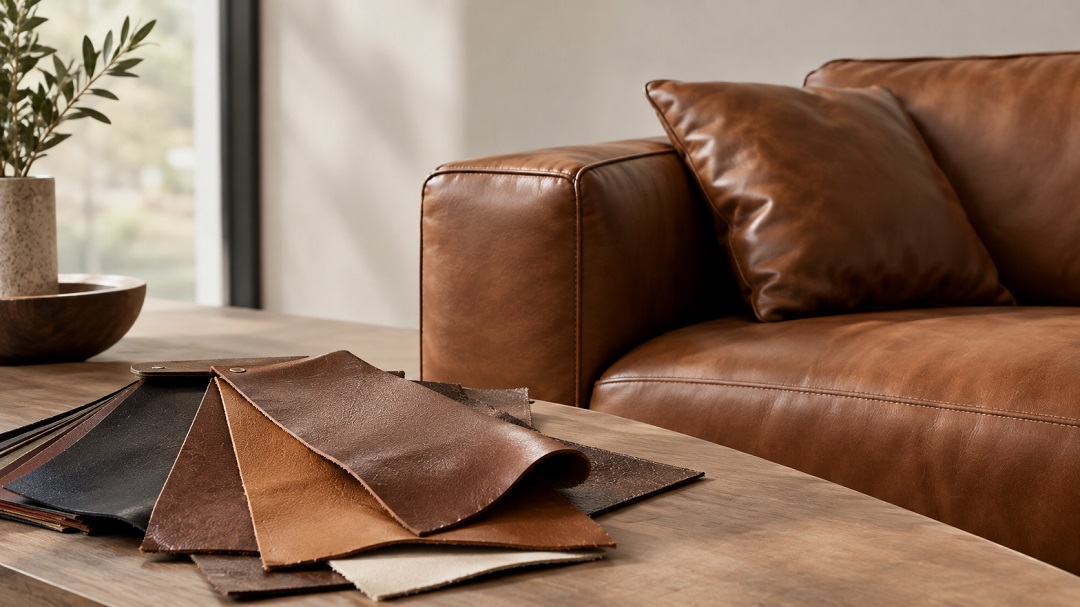
The right leather for furniture upholstery should combine durability, flexibility and an appearance that suits the space. The best choice depends on the type of furniture, how frequently it will be used, where the leather will be fitted and the look you want to achieve. A material used for a decorative bench, for example, may have different requirements from leather intended for a sofa used every day.
Before choosing upholstery leather, consider its thickness, texture, finish, abrasion resistance and maintenance requirements. It is equally important to confirm that the specific leather is intended for upholstery.
What Should You Look for When Choosing Upholstery Leather?
Start by considering how the furniture will be used. A living-room sofa, an armchair in a commercial space and a decorative chair will not experience the same level of wear.
For furniture used every day, surface durability and resistance to friction are particularly important. For a mainly decorative piece, texture, colour or a distinctive finish may play a greater role.
The construction of the furniture matters, too. Curves, seams, areas under tension and sections exposed to greater pressure all influence the type of material an upholsterer may need.
What Thickness of Leather Is Suitable for Upholstery?
Thickness affects how leather fits over furniture, how it behaves around curves and how easy it is to work with. However, there is no single thickness that is ideal for every sofa, armchair or chair.
A very stiff material may be difficult to fit around complex shapes, while leather that is too thin may not meet the requirements of a particular construction. The right choice depends on the design, reinforcements, stitching and material specifications.
Before purchasing, ask for the exact thickness and confirm that it is suitable for the upholstery work you have in mind.
How Do Texture and Finish Affect the Final Result?
Leather texture plays a major role in the appearance of a piece of furniture. Smooth leather often creates a clean, timeless look, while an embossed surface can add depth and character.
The finish affects not only appearance but also care requirements. Different surfaces may respond differently to stains, moisture, cleaning and everyday use. This is why choosing leather based on appearance alone is not enough.
If you want a more distinctive result, consider different textures and colours, provided the specific material is suitable for your intended application.
Which Leather Colours Work Well for Sofas and Armchairs?
Colour choice depends on the style of the room, its lighting and the other materials used in the interior. Brown, cognac and natural earth tones create a warm atmosphere and pair well with wood and neutral fabrics.
Black and grey can create a more defined or contemporary look, while lighter shades make a different visual statement. For furniture used every day, also consider how visible stains and signs of wear may be on the chosen colour.
If possible, view a sample in the lighting of the room where the furniture will be placed. Colour and texture can look different in photographs than they do in person.
Is All Genuine Leather Suitable for Upholstery?
No. The fact that a material is genuine leather does not mean it is suitable for every type of furniture. Leathers differ in their tanning process, thickness, flexibility, finish and technical specifications.
For example, leather intended for clothing or small accessories may have different characteristics from those required for a sofa. Appearance and softness alone cannot determine whether a material is suitable.
Before buying, confirm with the supplier that the leather is intended for upholstery and ask for information about its durability and care requirements.
How Should Upholstery Leather Be Cleaned and Maintained?
The right care routine depends on the leather type and finish. Not all leathers can be cleaned with the same products, and a method that works on one surface may damage another.
In general, avoid strong cleaning agents and excessive moisture unless the product’s care instructions specifically allow them. Follow the supplier’s recommendations and test any care product on a hidden area first.
Prolonged exposure to sunlight and heat sources may also affect certain leathers. Appropriate maintenance helps preserve the material’s appearance and functionality.
What Should You Check Before Buying Upholstery Leather?
Before making a decision, make sure you have the necessary information about the material. Check its recommended use, thickness, dimensions, finish, care instructions and available durability specifications.
You should also calculate how much material the project requires. An upholsterer can help estimate the amount based on the furniture’s dimensions, design and cutting layout, helping reduce waste.
For a larger project, reviewing a sample before purchasing a full quantity is a practical step. It allows you to assess the colour, texture and feel of the leather in person.
Conclusion
Choosing leather for furniture upholstery should involve more than appearance alone. The furniture’s intended use, thickness, flexibility, finish and maintenance requirements all help determine whether a material is suitable for the project.
Before buying, confirm that the leather is intended for upholstery and request the relevant technical information. With the right choice, you can achieve the look you want while meeting the practical requirements of the furniture.
Frequently Asked Questions
1. What is the best leather for a sofa?
The best option is leather designed for upholstery that meets the sofa’s intended use. Consider durability, finish, flexibility and care requirements.
2. Can I use garment leather to upholster an armchair?
Not without first confirming its suitability. Leather for clothing and leather for upholstery may have different specifications and perform differently in use.
3. How do I calculate how much leather I need for a sofa?
The quantity depends on the sofa’s dimensions, design, cushions, curves and cutting layout. Ask an upholsterer to estimate the required amount before purchasing.
4. How can I protect furniture leather from wear?
Follow the care instructions for the specific leather, avoid unsuitable cleaning products and limit prolonged exposure to sunlight or heat sources.