Leather Thickness Guide: How to Choose the Right Thickness for Bags, Belts, and Accessories

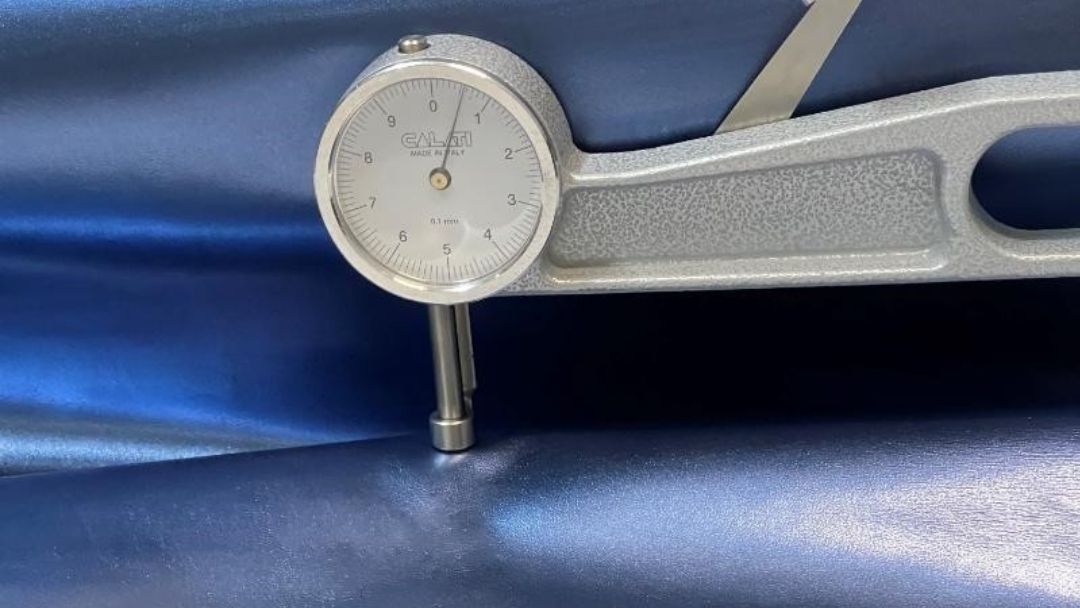
Leather Thickness Guide – Understanding mm and oz
Choosing the right leather thickness is crucial for any handmade or professional project. Thickness directly affects durability, flexibility, stitchability, and the overall look of the final product. Whether you are making bags, belts, wallets, shoes, or upholstery, knowing mm (millimeters) and oz (ounces) ensures the right selection.
In Europe, leather thickness is typically measured in millimeters (mm), while in the United States, ounces (oz) are used. One ounce is approximately 0.4 mm. For example, 5 oz leather is roughly 2 mm thick. Higher numbers indicate thicker, stiffer leather, while thinner leather offers more flexibility, ideal for delicate items.
How Leather Thickness Affects Application
Leather thickness directly influences how it can be used:
- Thin leather (0.8–1.2 mm): Ideal for linings, garment parts, and lightweight accessories. Provides flexibility but limited structural support.
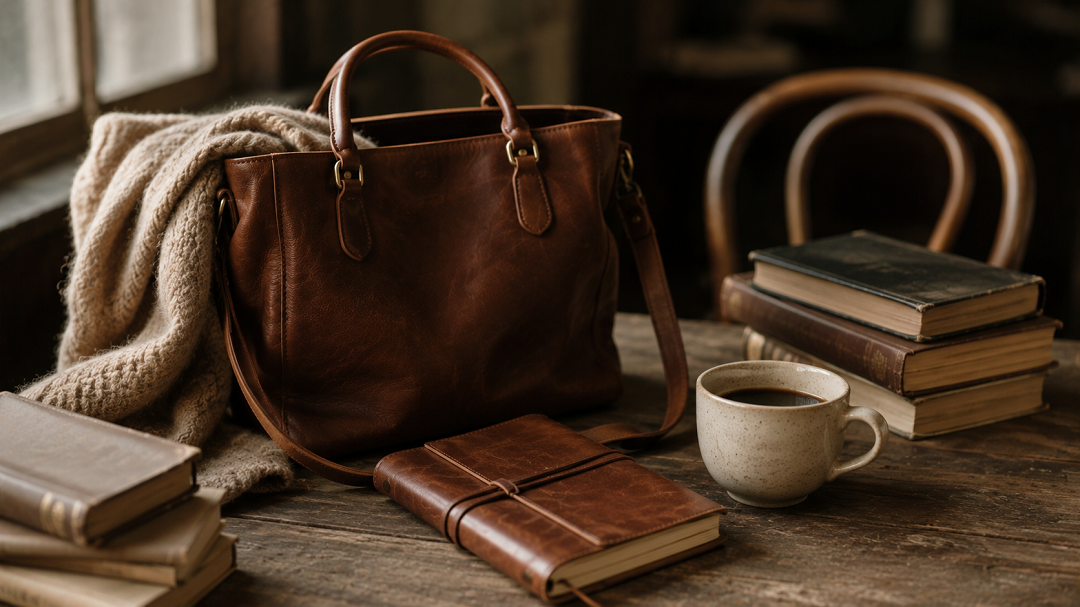
- Medium thickness (1.4–2 mm): Suitable for bags, wallets, small furniture, and daily leathercraft projects. Balances durability and workability.
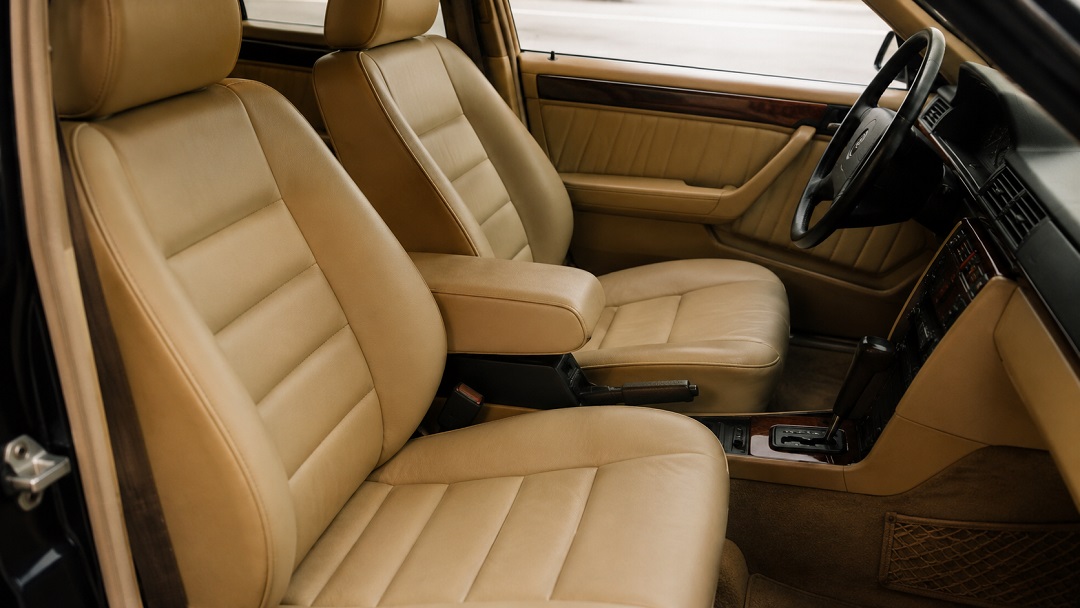
- Thick leather (2.5 mm and above): Used for belts, tool cases, heavy-duty bags, and products requiring high stability and strength.
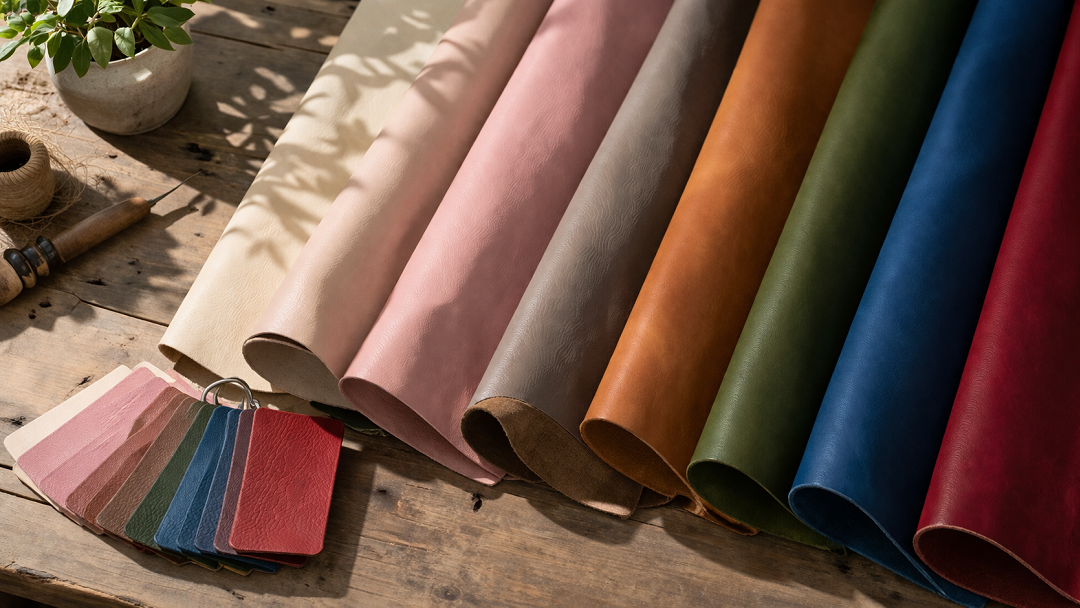
The right thickness also depends on the type of leather. A 2 mm full grain leather can be stronger than a split leather of the same thickness. Different tanning methods, such as vegetable tanned or chrome tanned, also influence performance. Understanding thickness helps you select the optimal leather for each project, maximizing durability and quality.
Why Leather Thickness MattersKnowing the right leather thickness for bags, belts, and accessories helps avoid common mistakes and achieve professional results. It also:
- Guides the selection of tools for leathercraft.
- Helps estimate material costs per product.
- Ensures better durability and appearance of the final item.
Investing time in understanding leather thickness translates into stronger, more beautiful, and functional products.
Conclusion
A leather thickness guide is essential for every leatherworker, hobbyist, or professional. Choosing the correct mm or oz ensures durability, flexibility, and a premium finish for any leather project. Especially for bags, belts, and accessories, understanding thickness is the key to creating high-quality, long-lasting products.