Sustainable Leather 2026: Myths & Truths of Natural Leather

Sustainable leather is a term that continues to gain attention, often surrounded by misconceptions. Natural leather is frequently labeled as unsustainable, yet when sourced responsibly and used correctly, it remains one of the most durable and long-lasting materials available.
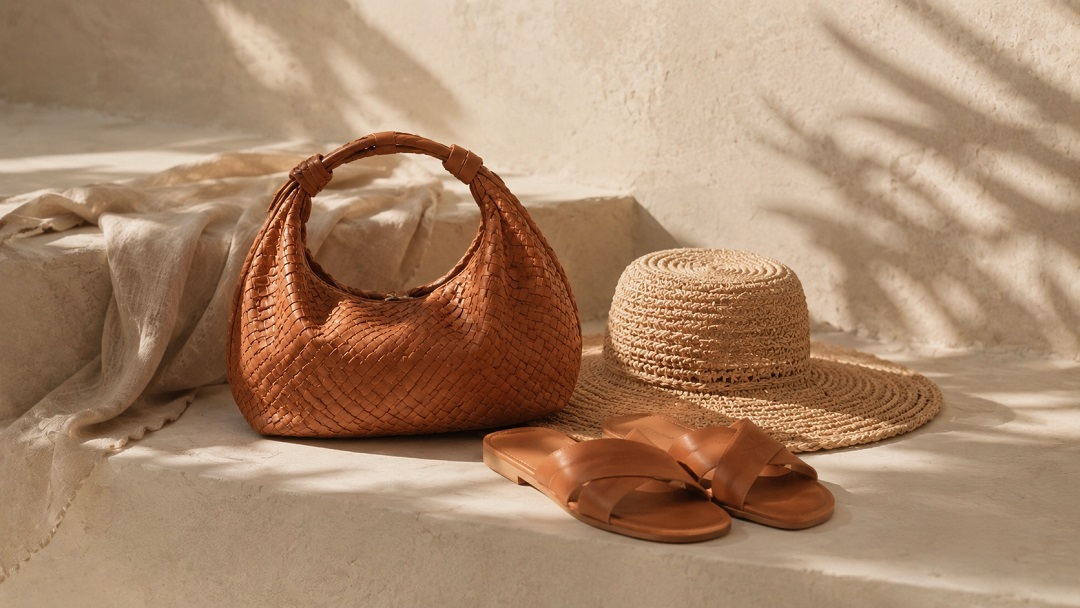
In recent years, sustainability has shifted beyond production methods alone. Longevity has become equally important. Unlike synthetic alternatives designed for short-term use, genuine leather products are made to last. High-quality leather ages gracefully, can be repaired, reused and often becomes more valuable over time.
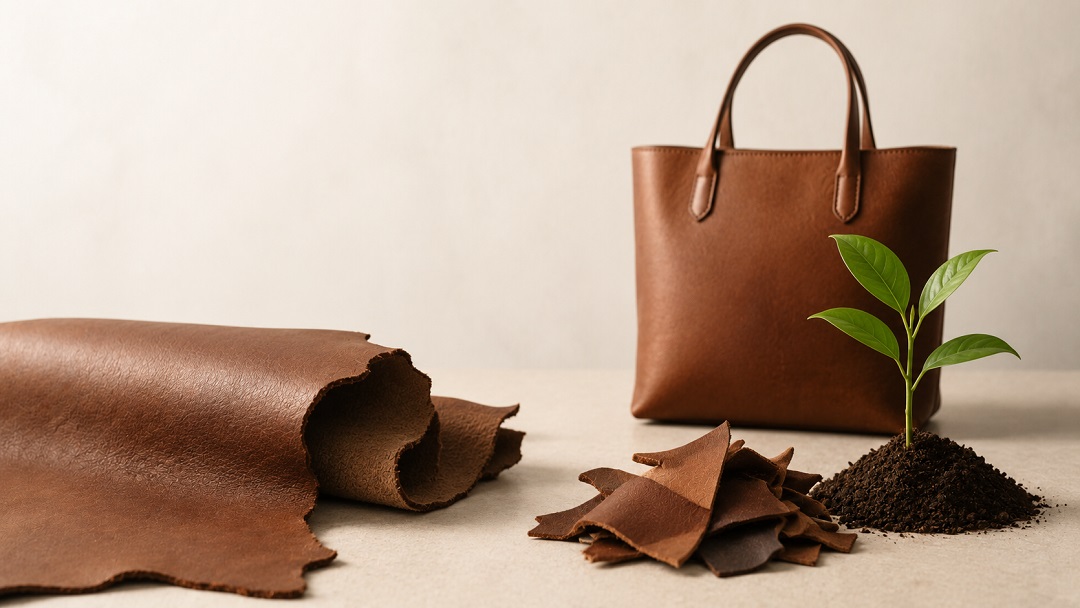
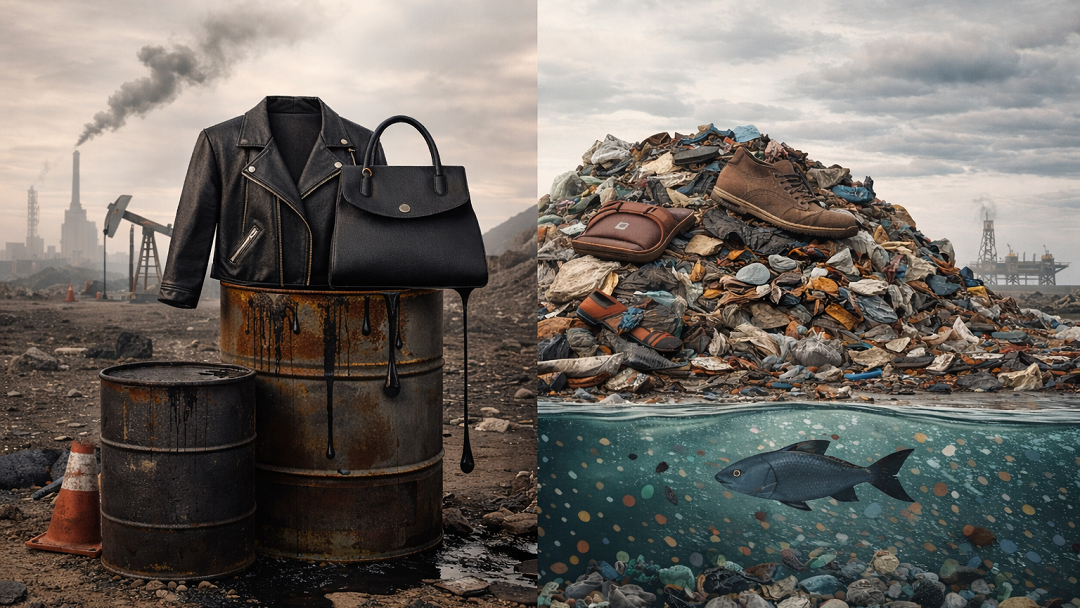
One of the most common myths around sustainable leather is that it exists solely at the expense of the environment. In reality, most natural leather is a by-product of the food industry. Without proper use, this material would go to waste. Responsible tanning and conscious consumption help reduce waste while extending the life cycle of the material.
Looking ahead to 2026, the focus is clearly on quality over quantity. Consumers are moving away from fast fashion and choosing vegetable tanned leather, premium Italian hides and hair-on-hide products that require less intensive processing and preserve their natural structure.
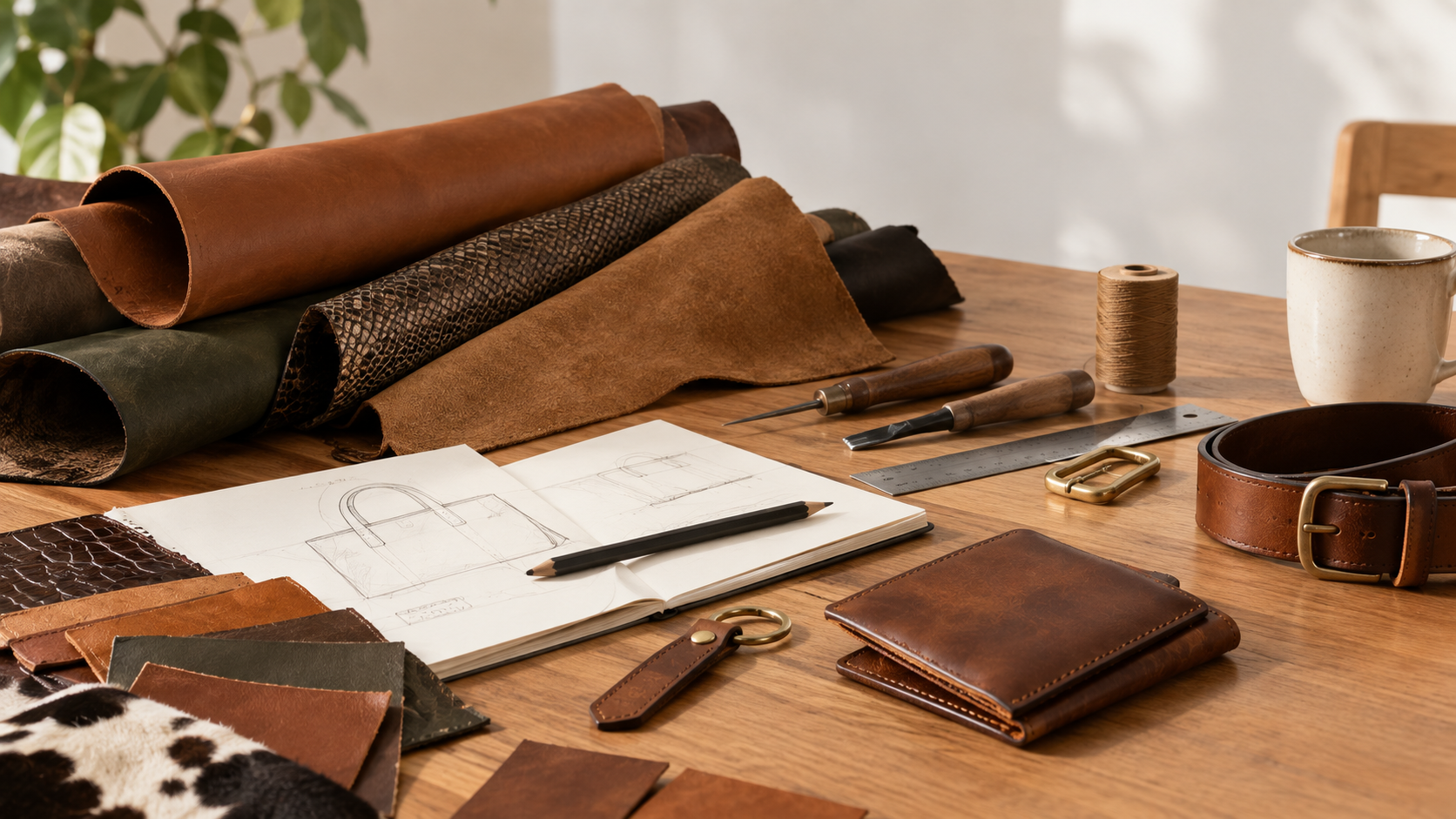
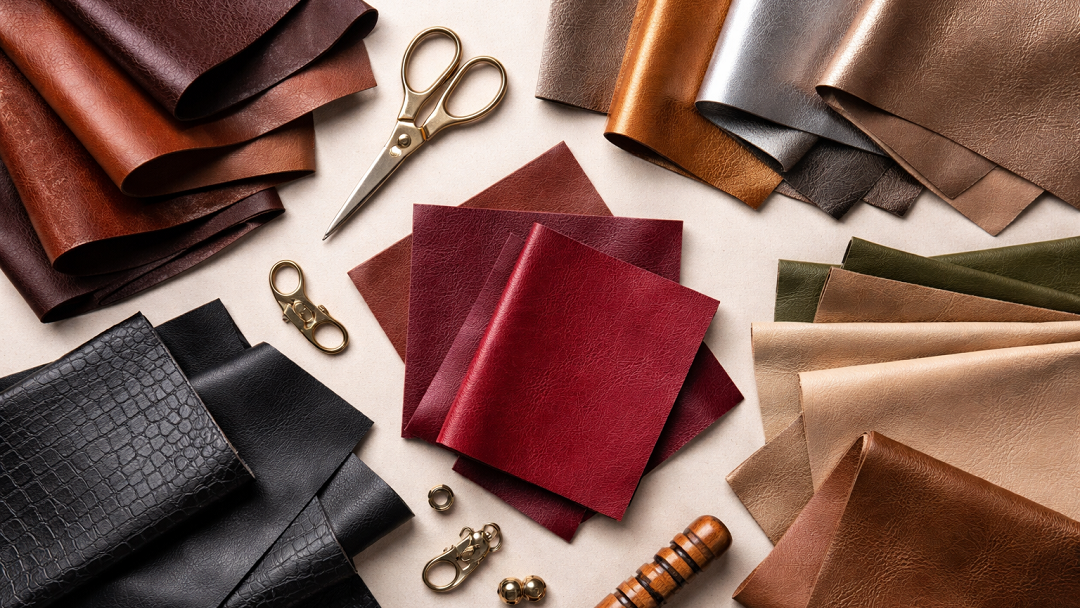
At the same time, the use of leather scraps and offcuts is becoming increasingly popular. Leathercrafters embrace smaller pieces and starter kits, transforming leftover materials into functional and creative products. This approach not only minimizes waste but also supports sustainable craftsmanship.
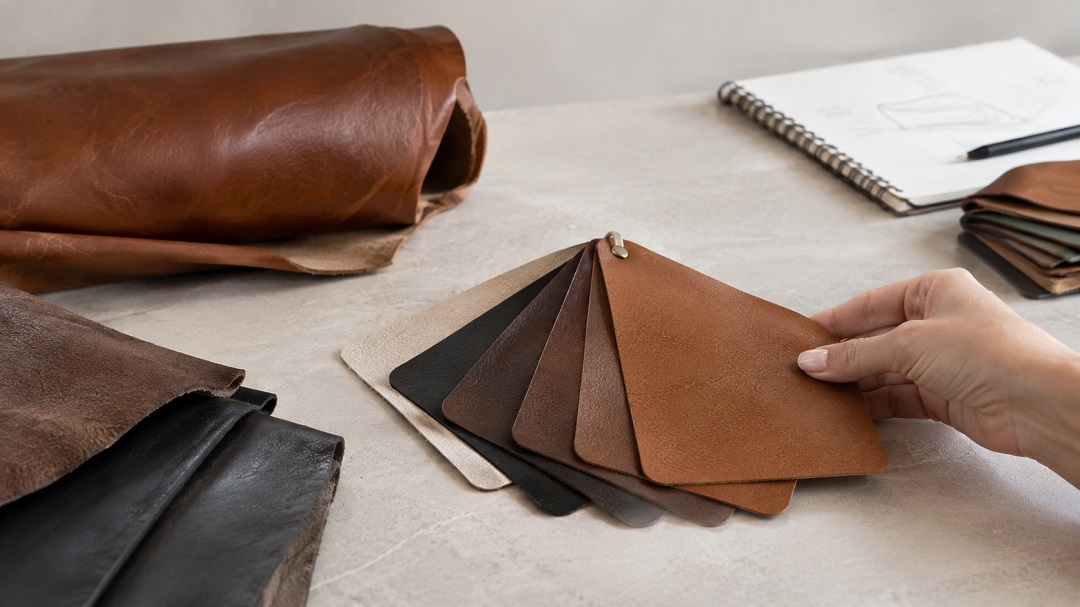
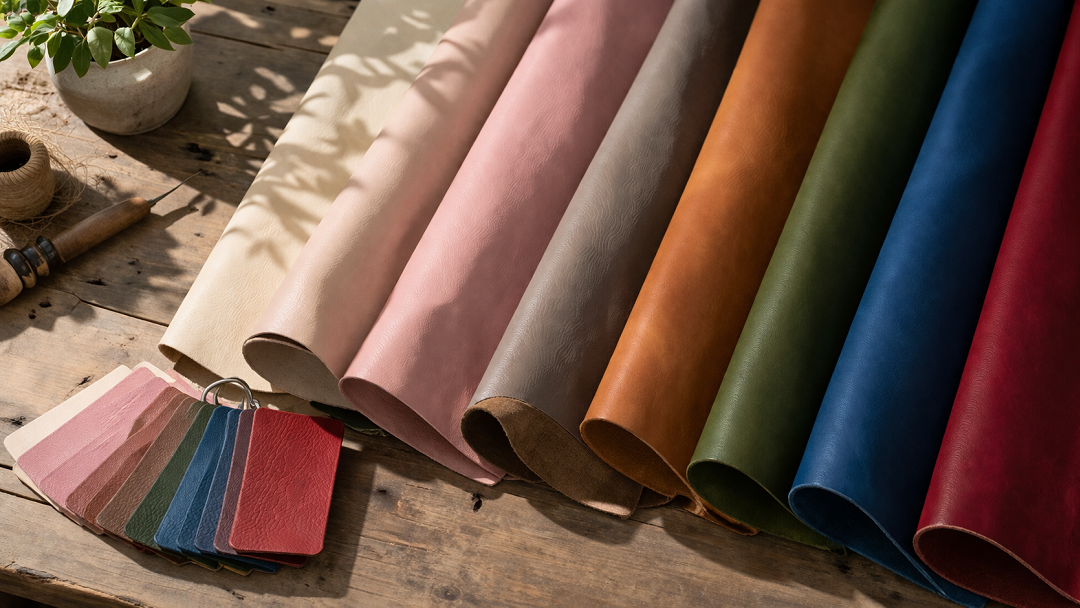
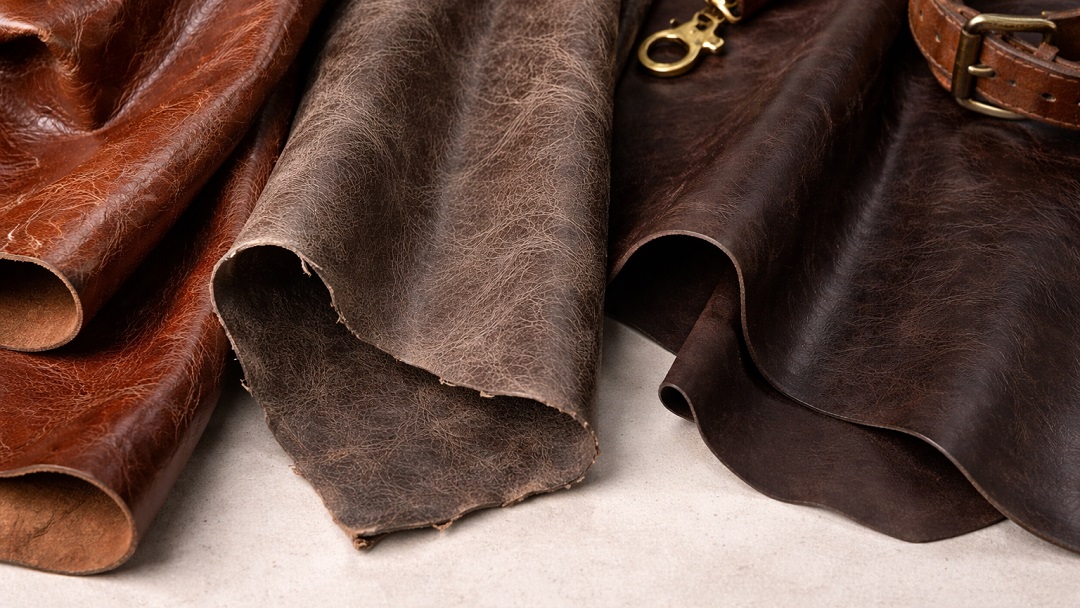
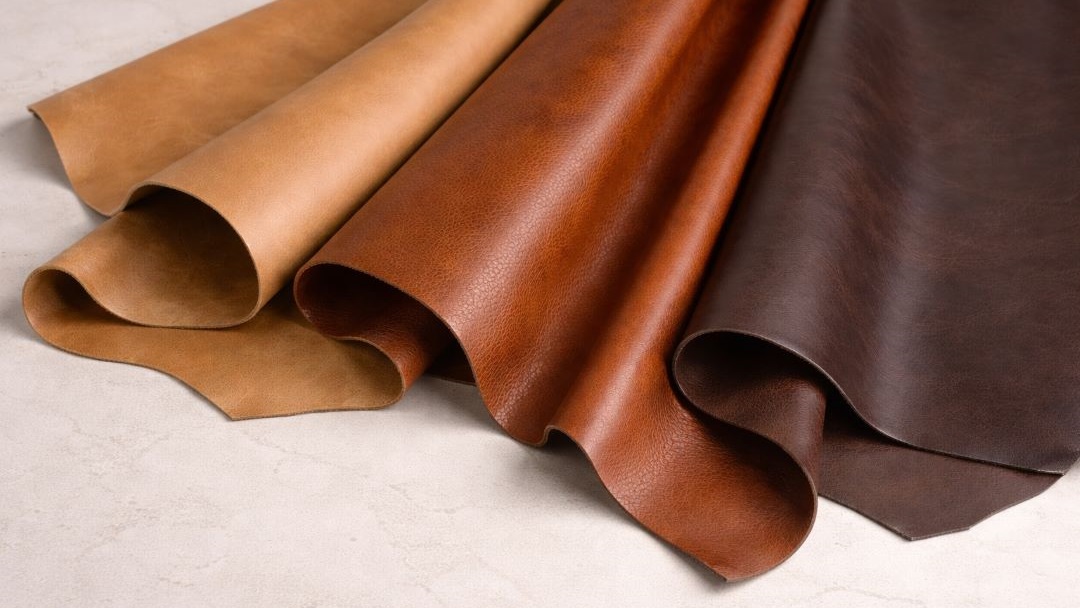
Aesthetically, sustainable leather trends for 2026 lean toward authenticity. Earthy tones, visible grain, natural markings and imperfections are celebrated rather than concealed. Cowhide rugs, shearling hides and ponyskin leather maintain their raw character and are widely used in both fashion and interior design.
Sustainable leather is not a trend. It is a mindset. And in 2026, natural leather continues to prove that responsible use and timeless quality can go hand in hand.