Not Every Leather Is Suitable for Every Project: How to Choose the Right One

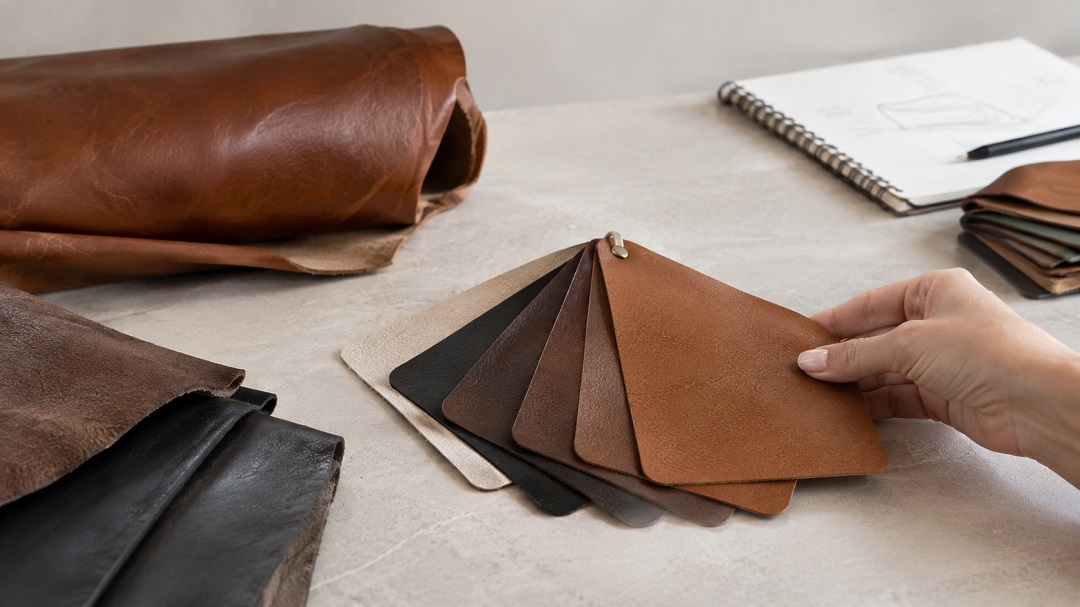
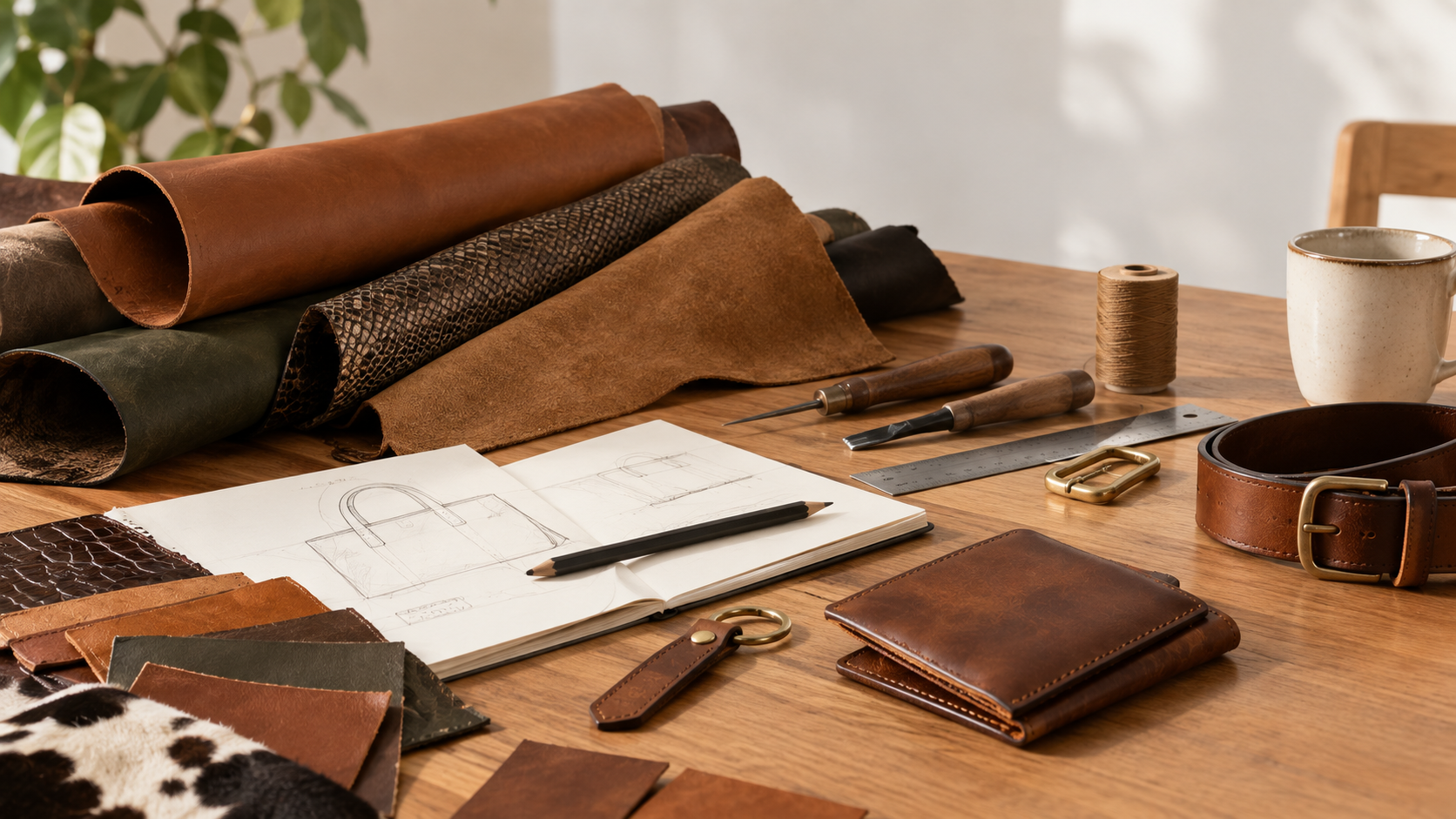
Choosing the right leather is one of the first and most important steps in any leather project. A leather may look beautiful, but that does not necessarily mean it is the right choice for what you want to create.
A belt, a bag, a wallet, a pair of shoes or a decorative item all have different requirements. Sometimes you need strength and structure, sometimes flexibility and softness, and sometimes a distinctive texture or pattern.
That is why, before choosing leather based only on its color or appearance, it is worth thinking first about how it will be used.
Start With What You Want to Make
The first question is simple: what are you going to create?
If you are making a belt, the leather needs enough strength and an appropriate thickness to maintain its shape and withstand regular use. For a wallet, a thinner and more flexible leather may be more suitable, especially when several layers are involved.
For a bag, the choice depends on both the design and the desired result. A more structured leather can help the bag keep its shape, while a softer leather can create a more natural drape.
There is therefore no single “best” leather for every project. There is the right leather for the specific use.
Thickness Matters
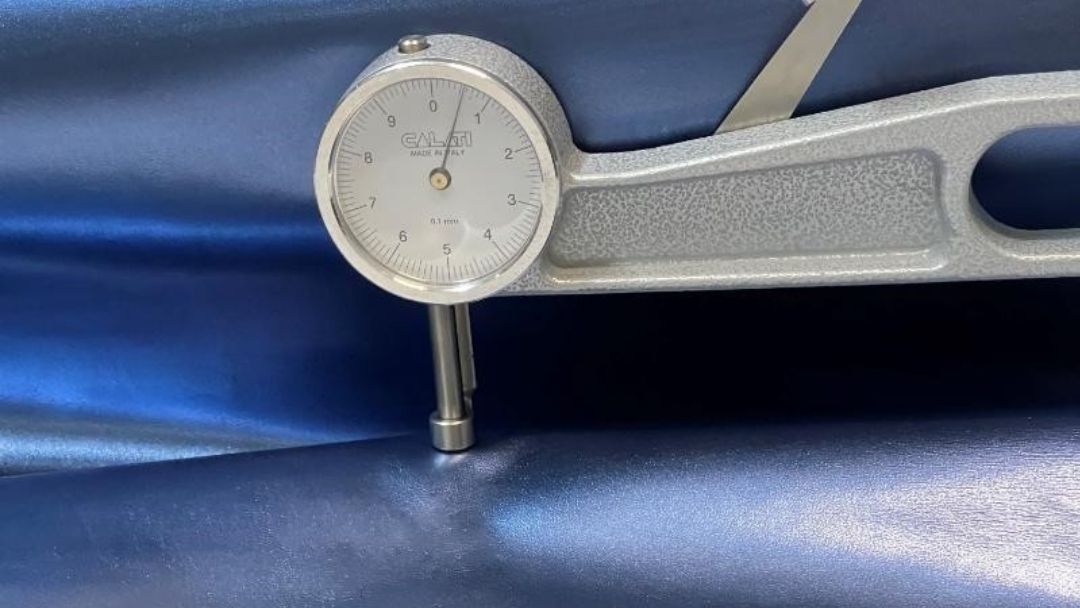
Thickness is one of the main characteristics to consider before choosing leather.
A thicker leather can be suitable for projects that require strength and structure, while a thinner leather may be a better choice when the material needs to fold, bend, be stitched or work with multiple layers.
This does not mean that thicker leather is always better. The important thing is for the thickness to suit the design and the way the finished product will be used.
Texture and Appearance Are Part of the Choice
Leather is not only a practical material. Its appearance can completely change the character of a finished piece.
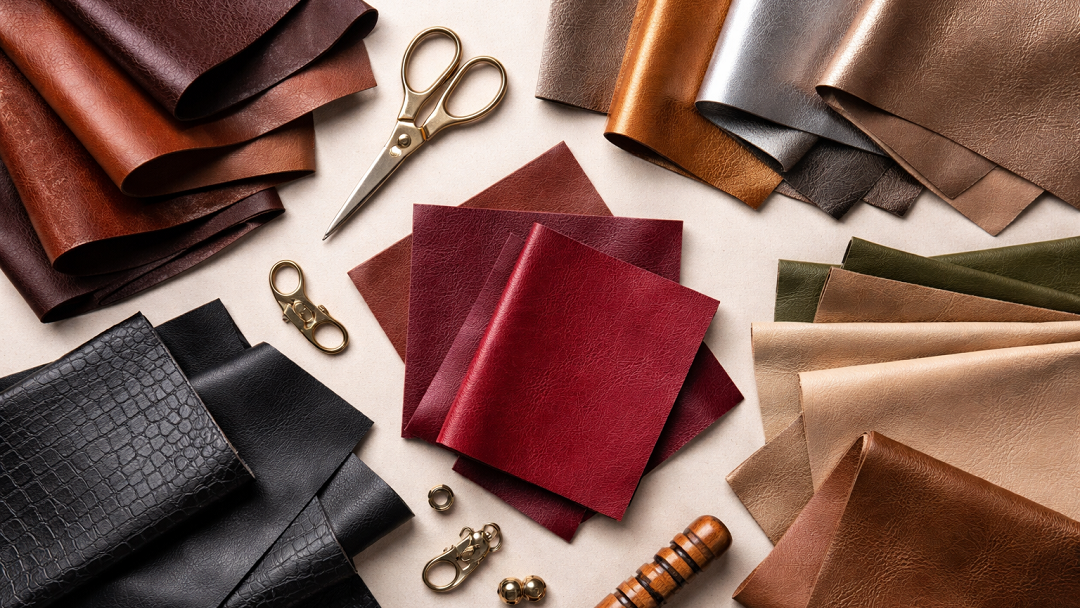
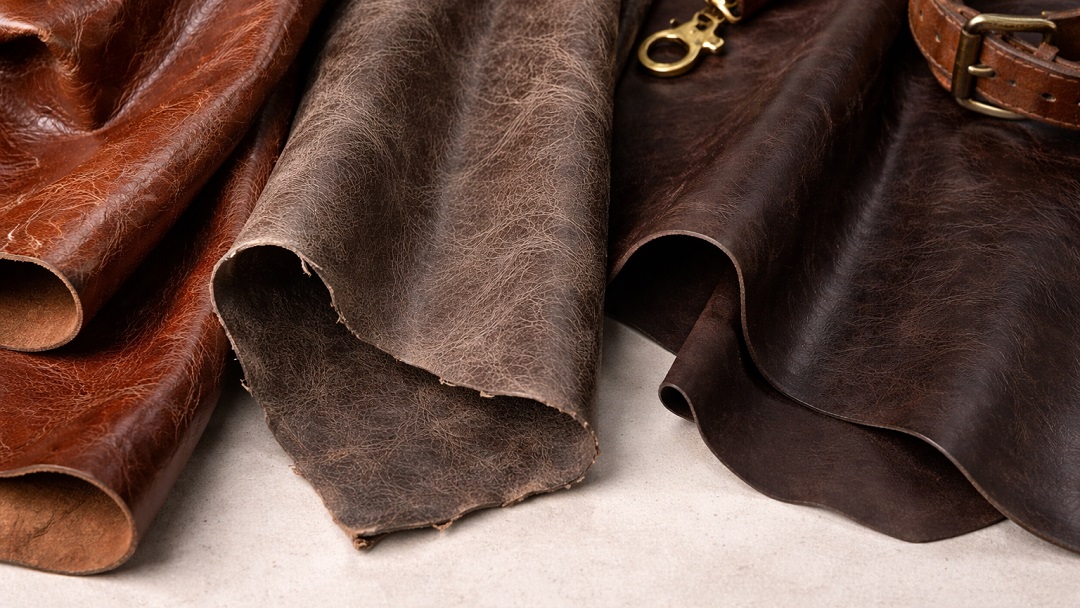
Crazy Horse leather can create a more casual and vintage look, while Vegetable Tanned leather has a natural character and can be used for projects where the surface and natural development of the leather are important.
Ponyskin stands out because of its distinctive surface and can be used when a stronger fashion statement is desired. Similarly, Laser Cut leather can add patterns and details that would be difficult to achieve with a simple smooth leather.
In these cases, the choice is not based only on durability. It is also about the style we want the final product to have.
Flexibility or Structure?
Another important factor is how flexible or structured the leather is.
For a project that needs to fold and move easily, a very stiff leather may not be the best choice. On the other hand, if you want a bag, case or accessory to maintain a specific shape, greater structure can be an advantage.
Finding the right balance between thickness, flexibility and durability is what makes a leather truly suitable for a particular project.
Don’t Choose Leather Based on Color Alone
It is easy to see a color you love and immediately decide that it is the leather you want.
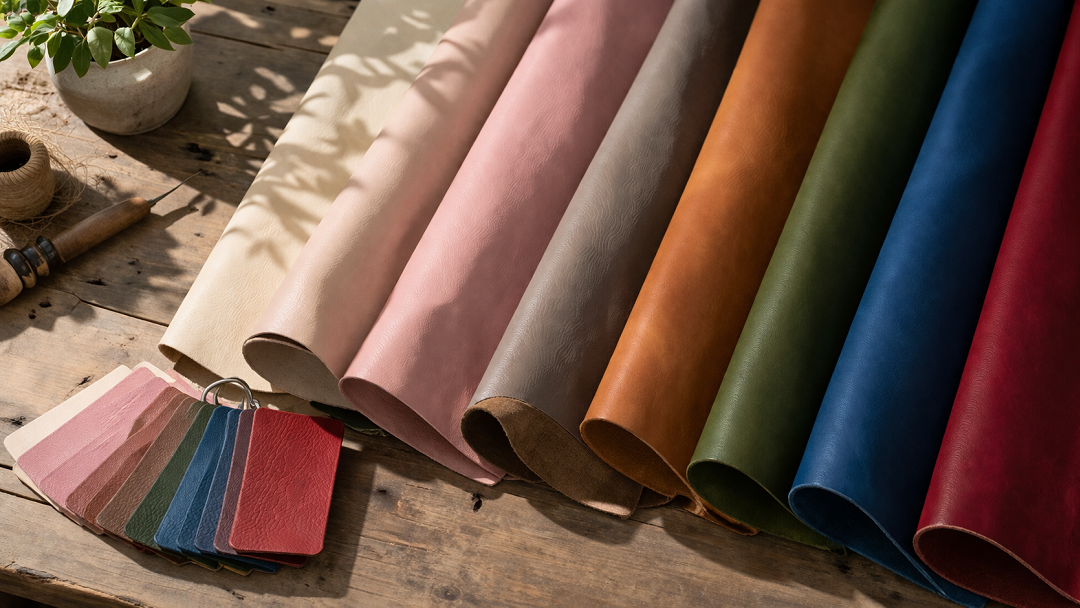
However, the same color can be available in different types of leather, each with its own texture, thickness and characteristics.
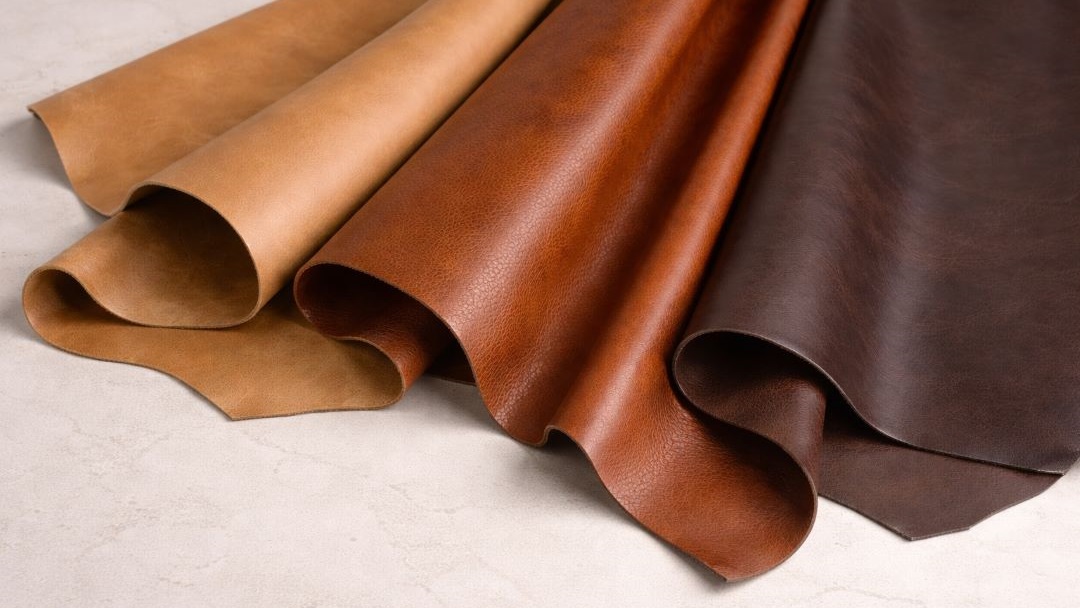
A brown leather, for example, can look completely different depending on whether it is Crazy Horse, smooth or has a distinctive textured surface. That is why it is better to consider the color together with all the other characteristics of the leather.
What If You Want Something More Unique?
Not every project needs to be traditional. Sometimes the leather itself can provide the inspiration.
A distinctive Ponyskin can become the starting point for a fashion accessory. Laser Cut leather can be used as an eye-catching detail. Vegetable Tanned leather can be an excellent base for engraving, stamping or personalization.
In these cases, we do not always have to start with the product and then search for the leather. We can also do the opposite: find a leather we love and let its texture, color or finish inspire the next project.
The Right Choice Starts With the Intended Use
Choosing leather does not have to be complicated. It is enough to have a clear idea of what you want to make and what the project requires.
Think about the intended use first, then consider thickness and flexibility, and finally the appearance you want to achieve.
This way, leather is not simply a beautiful material you selected. It becomes part of the design and helps the finished product achieve the character you have in mind.
Conclusion
There is no single leather that is ideal for everything. Each type has different characteristics and can bring something different to a project.
From Crazy Horse and Vegetable Tanned to Ponyskin and Laser Cut, the right choice depends on what you want to create, how it will be used and what kind of result you want to achieve.
The right leather is not simply the one you like most when you see it. It is the one that fits your idea best.
Frequently Asked Questions
1. What type of leather is best for making a belt?
It depends on the design and intended use, but a belt generally requires leather with suitable thickness, strength and structure.
2. Is thicker leather always better?
No. The appropriate thickness depends on the project. Very thick leather can make folding, stitching or working with multiple layers more difficult.
3. Which leather is suitable for engraving and personalization?
Vegetable Tanned leather is a popular choice for projects where engraving, stamping or other forms of personalization are required.
4. Can I use the same leather for different projects?
Yes, in many cases. However, the leather’s thickness, flexibility, durability and texture should match the requirements of each project.