Leather Car Interior: The Benefits That Make It a Timeless Choice

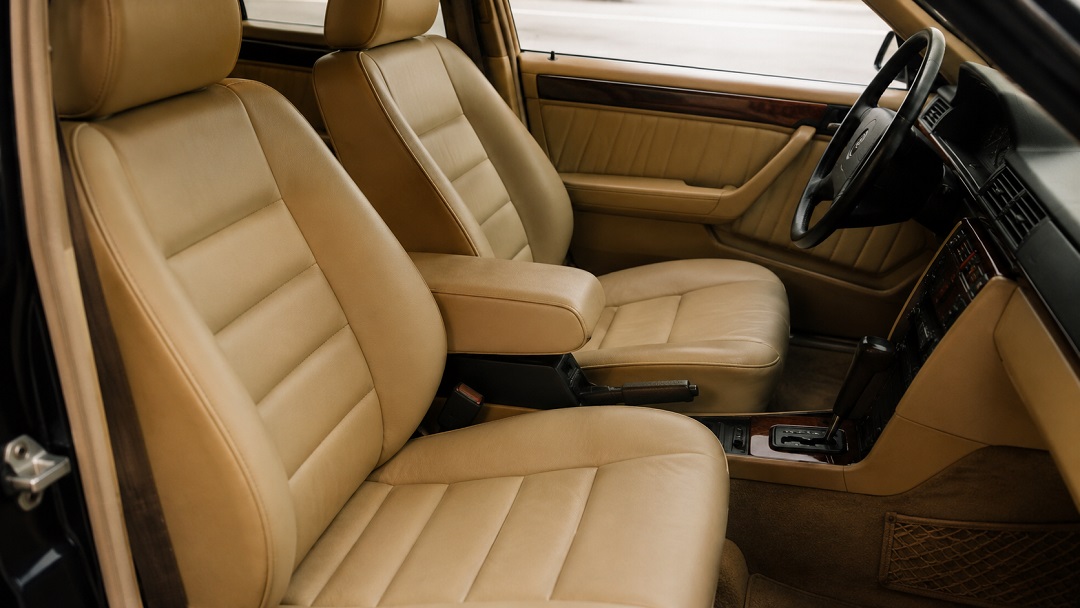
Leather has always been associated with quality, comfort, and sophistication in a vehicle’s interior. Although there are now many synthetic alternatives available, genuine leather continues to be regarded as one of the most timeless options for drivers seeking a more premium experience behind the wheel.
Beyond its appearance, leather also offers practical advantages that become even more noticeable over time.
A Premium Feel That Never Goes Out of Style
The first thing people notice about a leather interior is its sense of quality. The texture, appearance, and the way it complements the vehicle’s cabin create a more refined and cohesive environment.
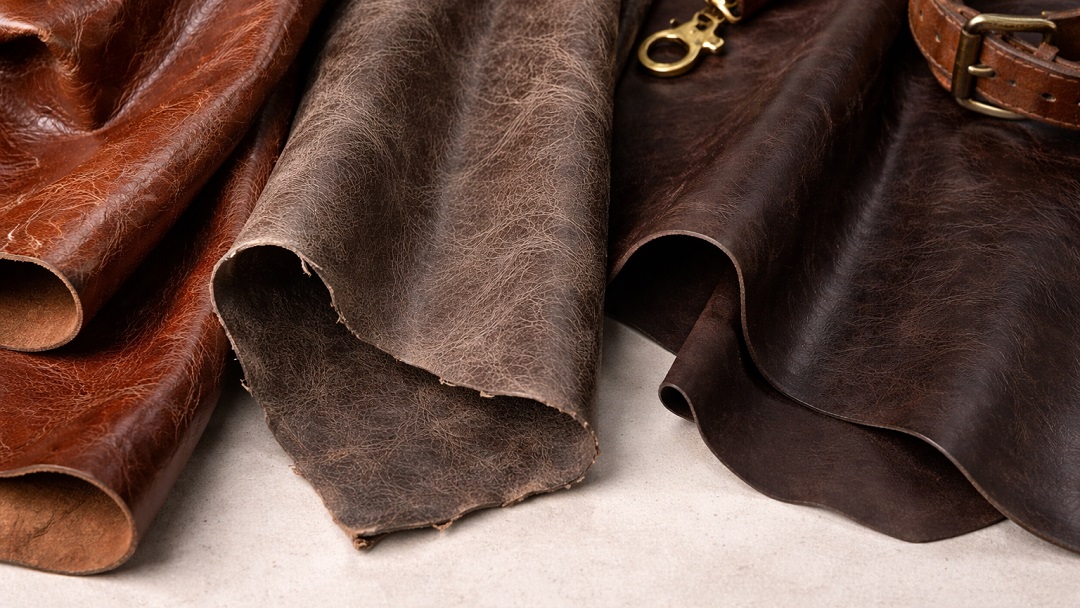
Unlike many synthetic materials that tend to look the same throughout their lifespan, leather develops character and a richer, more natural appearance as it ages.
Durability for Everyday Use
A high-quality leather interior can maintain its appearance and performance for many years when properly cared for.
Daily use, commuting, contact with clothing, and minor wear and tear generally have less impact on quality leather than on fabric upholstery, which can stain more easily and retain visible signs of use.
This is one reason why many luxury and premium vehicles continue to feature leather surfaces throughout their interiors.
Easier Cleaning and Maintenance
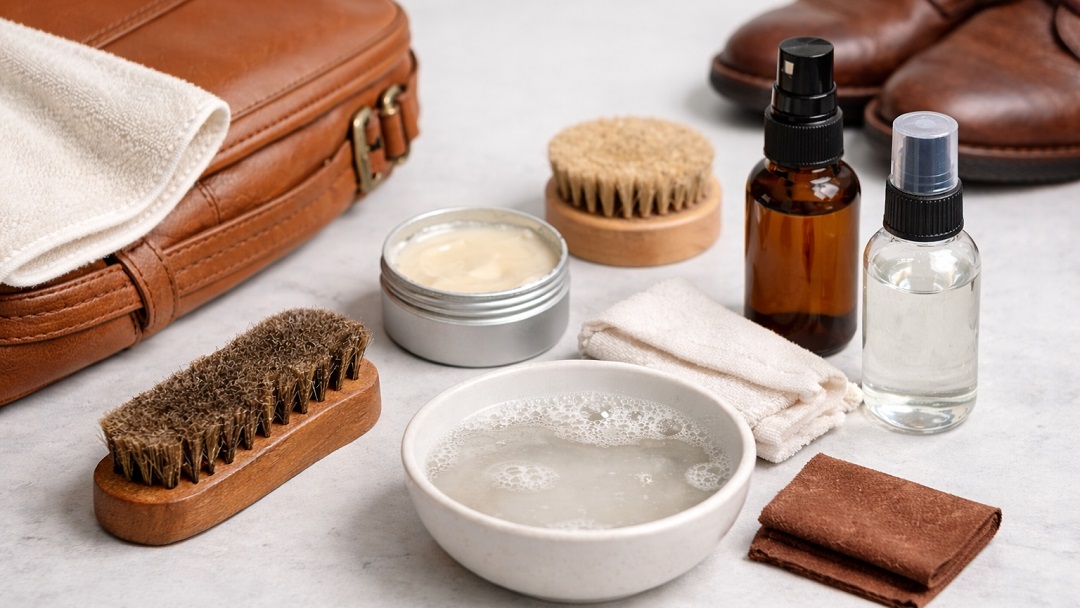
Leather maintenance is often simpler than many people expect.
Dust, minor spills, and everyday dirt can usually be removed more easily from leather surfaces than from fabric seats, which tend to absorb moisture and trap particles more readily.
Proper care helps leather retain its flexibility, comfort, and appearance for years to come.
Higher Resale Value
The interior is one of the first aspects buyers evaluate when considering a used vehicle.
A well-maintained leather interior creates the impression of a vehicle that has been cared for properly and often contributes positively to a buyer’s overall perception of its condition.
Leather and Summer: What’s Actually True?
There is a common belief that leather is not ideal for hot summer climates. In reality, comfort depends more on factors such as the interior color, ventilation, and proper maintenance than on the material itself.
Light-colored leather interiors and modern climate control systems make everyday driving far more comfortable than many people assume.
In addition, using a sunshade and following basic maintenance practices can significantly help preserve the leather’s appearance and condition.
Conclusion
Leather in a vehicle is about more than luxury. It is a choice that combines aesthetics, durability, practicality, and long-term value.
When properly maintained, leather does more than simply look attractive—it evolves with the vehicle over time and becomes an integral part of the driving experience.