The Environmental Footprint of Leather: A Positive Perspective


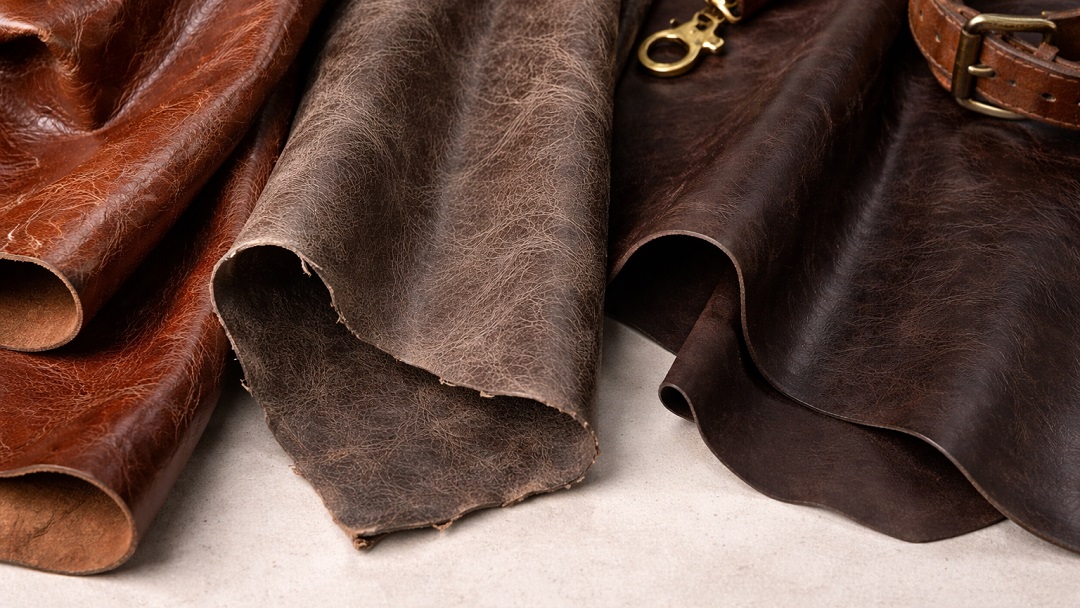
Today’s consumers are more conscious than ever about sustainability. When it comes to fashion, furniture, and accessories, the materials we choose matter. Leather, often misunderstood, is in fact one of the most eco-friendly and responsible materials available when produced properly.
From waste to valuable products
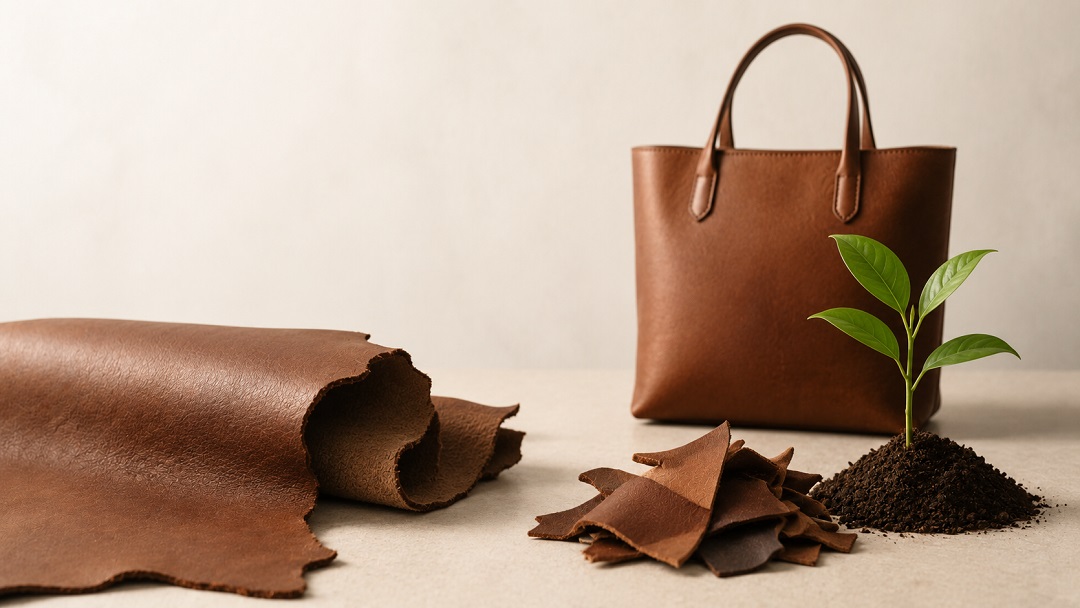
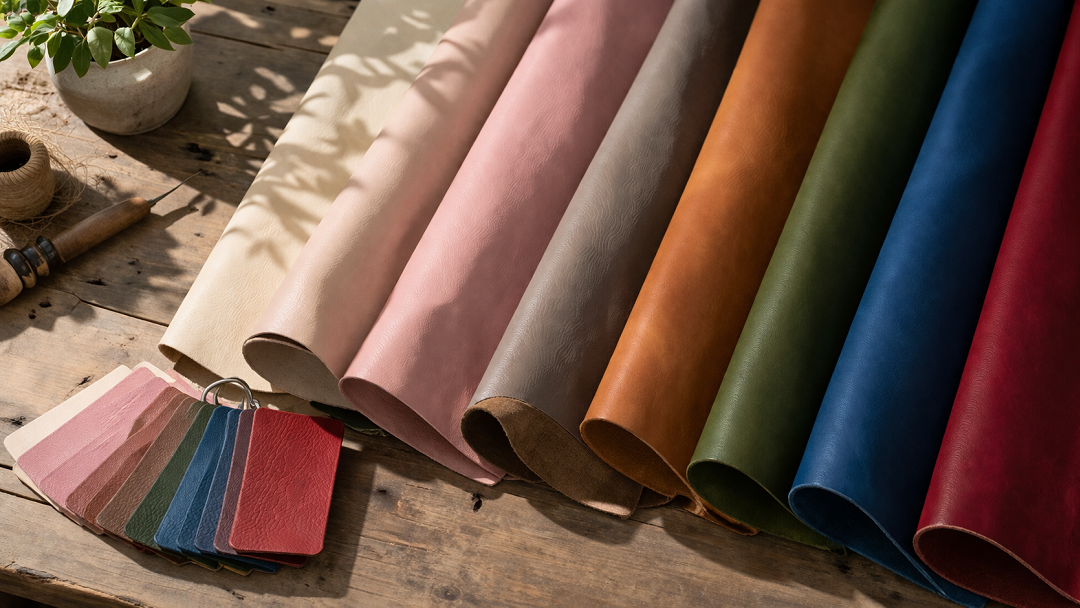
Every year, the global meat industry produces millions of hides as a by-product. Without the leather industry, these hides would be discarded, contributing to waste and pollution. By turning them into high-quality products like handbags, belts, shoes, and sofas, leather manufacturers play a crucial role in reducing waste and maximizing resources.
A better alternative to synthetics
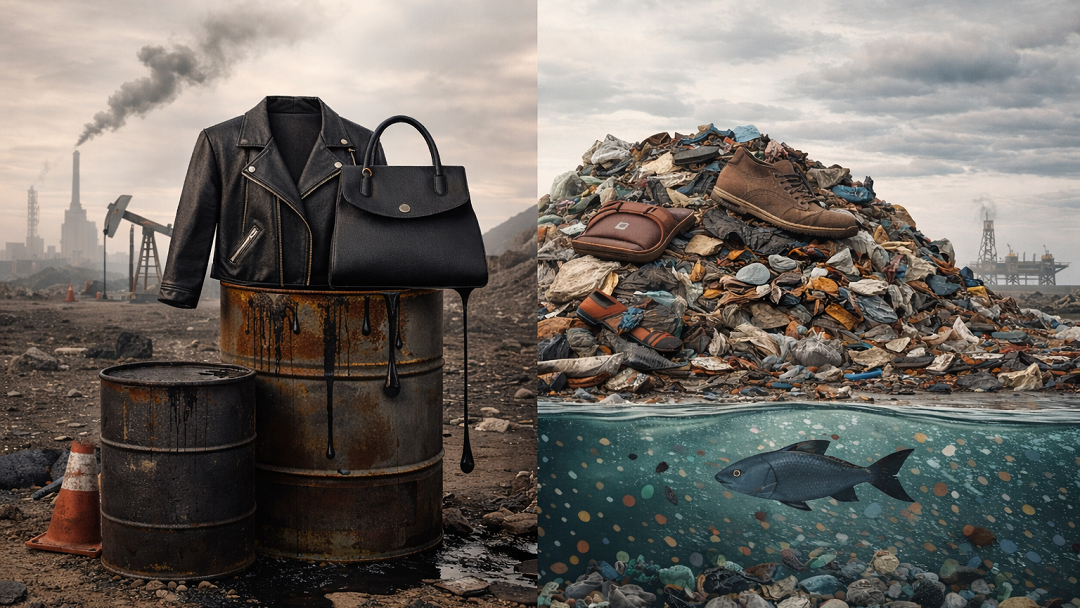
Artificial leathers, often marketed as “vegan,” are usually made from plastics like polyurethane (PU) or polyvinyl chloride (PVC). These materials not only rely on fossil fuels but also release harmful microplastics into the environment. Genuine leather, being a natural material, has a much lower long-term impact.
Long-lasting and timeless
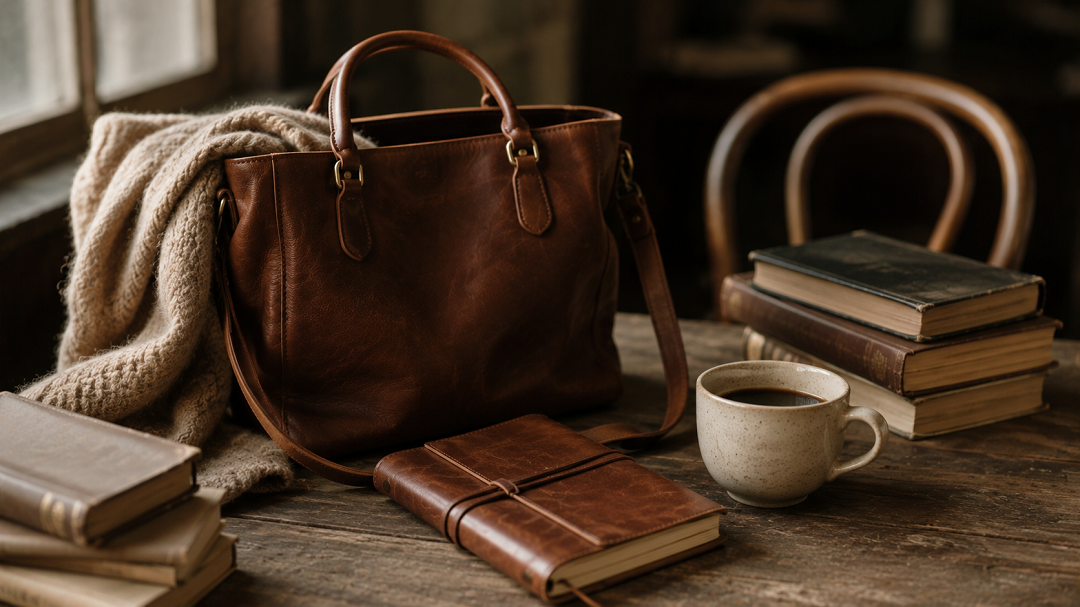
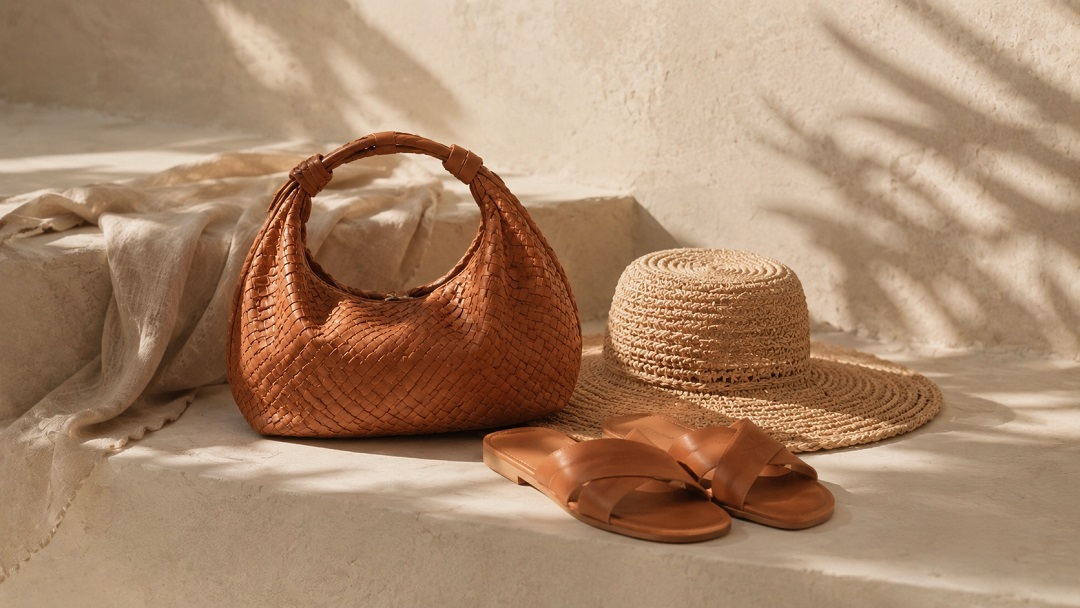
One of the biggest advantages of leather is its unmatched durability. A leather bag or pair of shoes can last decades if cared for properly. This means fewer replacements, reduced consumption, and less pressure on the planet’s resources. In addition, leather never goes out of style – it remains timeless across generations.
Sustainability through circular economy
Leather supports the circular economy by transforming waste into useful products. It embodies the principle of “reduce, reuse, recycle” while providing consumers with an eco-friendly material that combines function with elegance.
By choosing natural leather, you are not only investing in a product of superior quality but also supporting a more sustainable lifestyle. Leather is proof that luxury and responsibility can coexist.