How leather is made


In Italy, there are more than 300 tanneries for upholstered furniture and fashion leather. The tanneries in Tuscany produce leather for fashion and upholstered furniture. Leather Mio produces leathers at these tanneries.
Modern tanneries are clean and safe and have plenty of natural light. Automation makes the process faster and more efficient and allows for better quality control. The leather manufacturing process consists of a series of six stages. Starting with the preparation of the raw material and ending with final inspection and shipping.
RAW MATERIAL
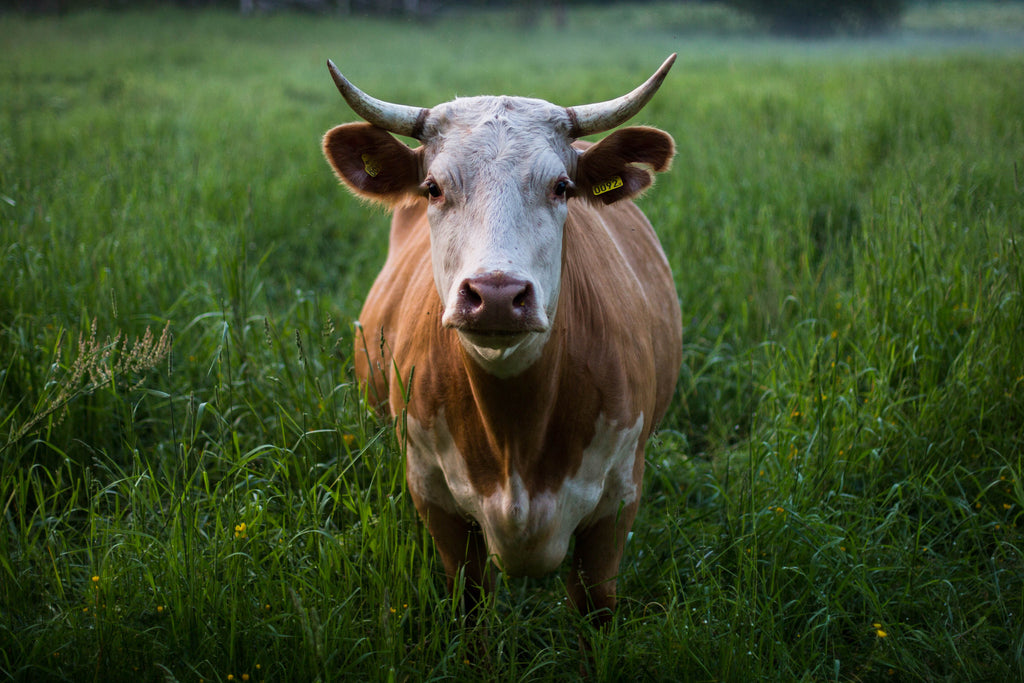
Leather can be made from the hide of almost any animal including pigs, sheep, goats, and crocodiles. However, the most common hide used is that from a cow. A by-product of the meat and dairy industries, the art of making leather uses hides that would otherwise be destroyed. Rather, by making leather, the animal’s hide is turned into a beautiful and useful material that will last for decades.
Quality and Ethics
Of course, the upbringing of the cow will affect the quality of the hide produced with a good hide giving an 80-90% yield. For instance, cows that have been exposed to cruel conditions. Near barbed wire fences or had electric cattle prods used on them can have damage to their hide. Here you’ll find that the hide yield is more likely to be around 60% to avoid blemishes and holes. Even certain diets that include grains or growth hormones can make for a poorer quality hide.
When a hide is prepared, the skin is removed from the animal and then the flesh needs to be removed. This can be done by hand or by using a fleshing machine. If by hand, it’s important that the process is done as quickly as possible. If you take your time, the material can easily dry out. At the end of the process, you should be left with a white, clean surface.
Salts and Chemicals
At this point, a hide should be salted or placed in salt brine. This needs to be a very generous layer of salt as the salt is what stops it from decomposing. If a hide is not salted, brined, or frozen within a few hours of being removed, the decomposition can begin. The hide at this point may become useless and be wasted. The hides tend to be stored, salted, and folded with the flesh sides touching. They will remain salted until ready to be processed and soaked in water to remove any dirt or other materials.
If a hide has hair on it then it will need this removed, which is executed using a chemical solution that contains calcium oxide. This may be called a lime bath too and the soaking can take one to two days. This process will also soften the hide. If you don’t want to use chemicals, the hair can be removed similarly that the flesh was removed by hand.
Separation
After all this bathing and soaking, the hide will be full of moisture, so it will swell to be around 4 mm thick and can be spliced into two layers. This is done, so separate parts of the hide can be used for different types of leather products. The upper part of the leather split is saved for the highest quality leather products such as full-grain leather. This is due to the fact the upper layer has a much tighter fiber structure, making it more durable. When treated correctly, this layer makes for stunning and supple leather.
The bottom layer of the hide will be kept for cheaper leathers with less overall quality than the top layer. These tend to be used for top grain and split leathers and are most commonly used for shoes and bags.
TANNING
The second stage in the process is called tanning. It will convert the hides into leather by preserving the material and halting decomposition.
To do this, hides need to be loaded into a special tanning drum along with a special tanning solution. This drum will contain a special mix of either vegetable tanning agents or a chromium salt mix. A vegetable tanning mix contains tannin extracts naturally found in tree bark. It will produce a product that is flexible and is generally used for luggage or furniture. Chromium salts produce a more stretchable final product, so will be typically used on products like clothing or handbags. Tannage can also be combined with both vegetable and chromium salts added. This will result in a fuller-bodied leather that is both soft and supple. At the end of this process, special fats are added which will help the leather be both stronger and softer in what’s called a liquoring process.
Dry and Shaven
From here, the excess moisture needs to be removed. Usually by applying high pressure to the hides by passing them through rollers. After this drying process, the hides can then be inspected and arranged in levels of quality. Those impaired with imperfections being of lesser quality. The grades will determine what that hide will be used for in the future. Hides that have been treated with chromium salts will appear pale blue.
Hides are then shaved to a specified uniform width and any shavings can be used to make bonded leather, floor tile backs, belts, and recycled products.
RE-TANNING
A second tanning process can occur again in order to get the leather fully ready for its intended purpose. This will be a repeat using either the vegetable mix or with the chromium salts (or a combination). And then the excess moisture is again removed using pressure.
Once the tanning process is complete, the hides need to be dried. This drying can occur with a variety of processes such as air-dried or vacuum dried. Air drying a hide involves putting a hide on something like an overhead conveyor. Vacuum drying is a quick method of drying, obtained by removing all the air from around the hide. This method will cause the hide to shrink slightly but will leave the hide with a smooth and tight texture.
During the re-tanning stage, a bleaching agent can be used. It will provide an excellent dyeing stage.
DYEING
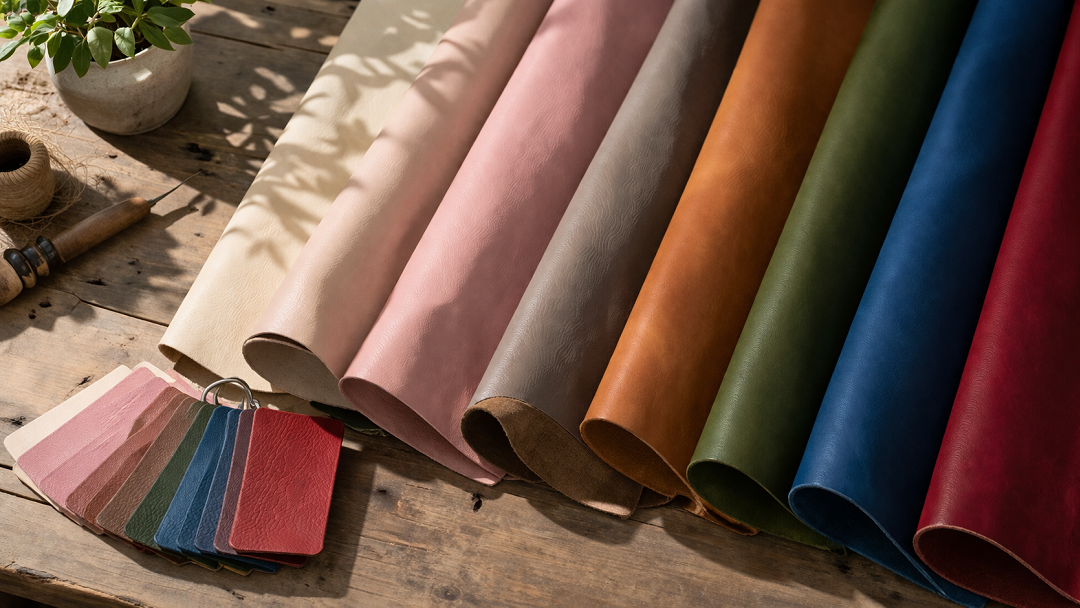
The leather dyeing process is what adds wonderful color to a finished leather design. This can be anything from the browns and blacks associated with leather to bright, bold colors. Each dye is meticulously formulated using a highly accurate computer program. Without it, it would be impossible to get a consistent color each time.
The actual dyeing process can be incredibly lengthy. Hides need to be added to a large drum along with their chosen dye. After around 8 hours, a cutting should be taken to ensure that the dye has completely saturated the hide. Otherwise, the leather will look patchy. Afterward, the leather needs to be rinsed thoroughly to remove any residual dye or chemicals. Once rinsed, the hide should be dried entirely.
FINISHING
When the dyeing process is complete, the last stage in the leather-making is the finishing. This is the stage where the leather will be worked to ensure that it has a supple, flexible nature. A finish that not only protects the surface, but also one which can be easier to clean. This stage would be skipped if a naked leather was desired.
To soften the leather a machine called a staker is used where the leather is both stretched and lots of natural oils will be added to lubricate the fabric. This stretching motion also tightens the pore structure of the leather. This helps create a higher-quality finish that is desirable to consumers.
Finishing Spray
The final touch is to apply a finishing spray on the leather. What the finishing spray is will depend on the desired finish of the leather. For instance, a coat of acrylic can be added for a patent leather finish, mother-of-pearl can be added to give a pearlescent finish and at this stage, leather can be embossed with patterns. On a large-scale production, the leather will be hung and moved through the chosen spray line. Then put into an oven to be cured. Once finished, the leather can be stacked to prevent creasing. Then it can be sent off ready to be used in making leather products. Full-grain leathers, however, will skip this stage as it’s not needed. Instead, this leather will go through an ironing process. It will use varying degrees of pressure and heat until the desired sheen is obtained.
Quality Check
The last stage of the process will be a quality check to ensure the leather has the correct color and that there are no tears or anomalies in the leather. From here the leather can be rolled and shipped ready to be turned into quality luggage, handbags or any other leather accessory.