From Idea to Reality: How to Start a Handmade Leather Project

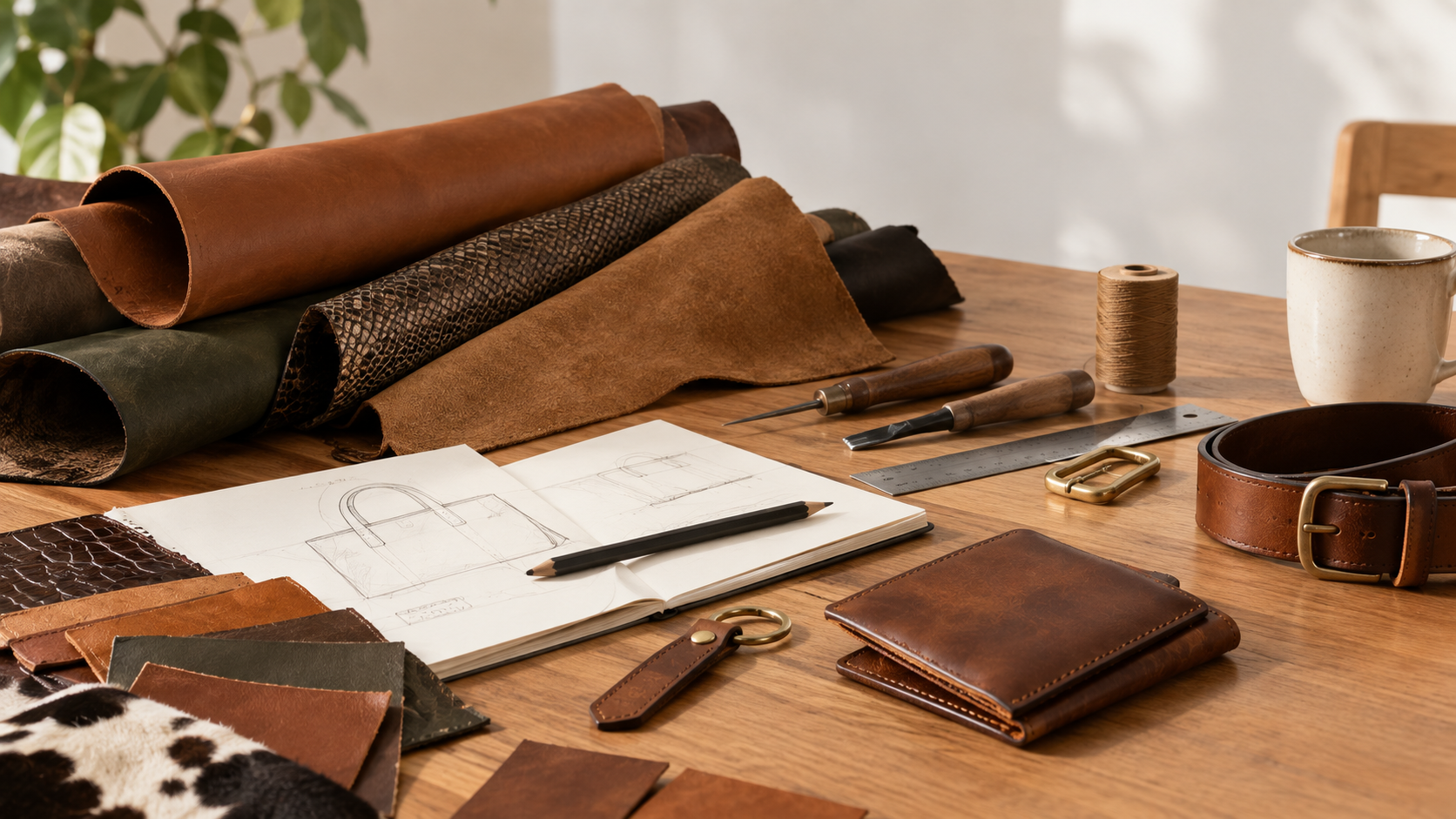
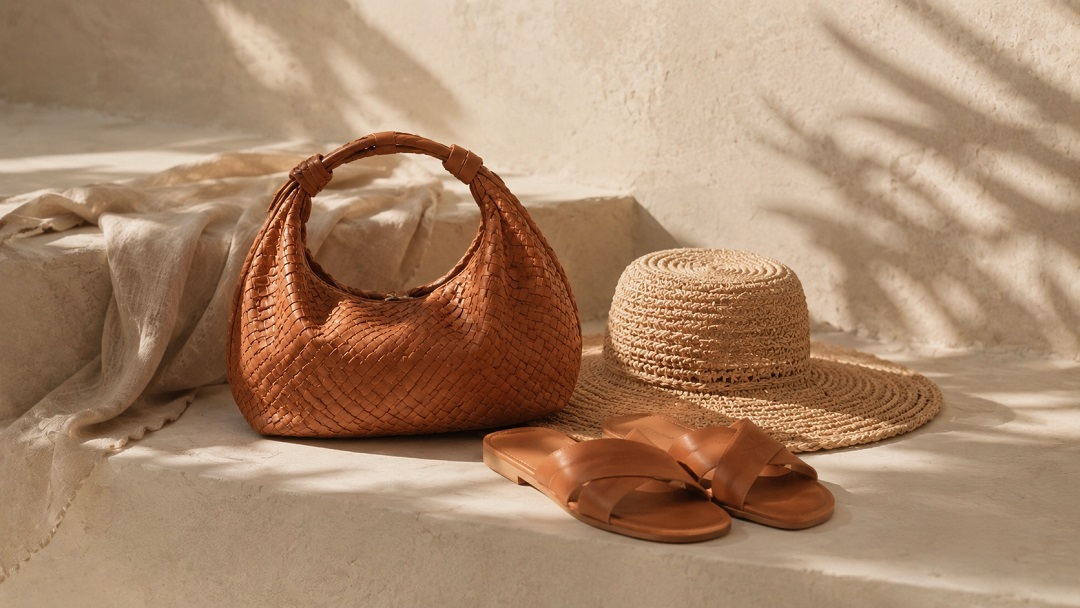
After a summer filled with sunshine, relaxation and a little distance from everyday life, September often feels like the perfect time to get back to creating. The workshop opens again, the tools return to the workbench and sooner or later the same question comes to mind: “What should I make next?”
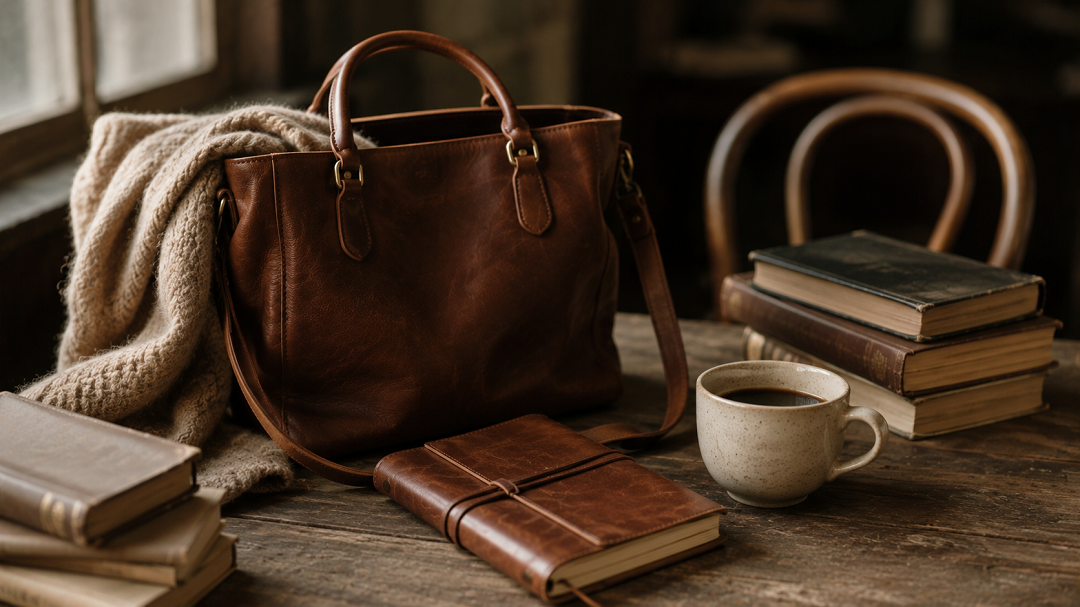
Every handmade leather project starts with an idea. It could be a bag you saw somewhere and want to reinterpret in your own way, a wallet you want to design from scratch, or even a small accessory that came to mind while organizing your tools.
From that first idea, however, an entire creative process begins. Choosing the right leather, color, texture and thickness, along with planning the construction and finishing details, is what eventually turns an idea into a real object.
It All Starts with an Idea
Before choosing your leather or reaching for your tools, you need to decide what you actually want to create. The intended use of the finished product will determine many of the choices that follow.
A bag designed for everyday use requires different characteristics from a slim wallet or a decorative accessory. Something that will experience daily wear needs durability, while a fashion-focused piece may place greater emphasis on texture, color and finish.
There is no single “best” leather for every project. There is simply the right leather for your particular idea.
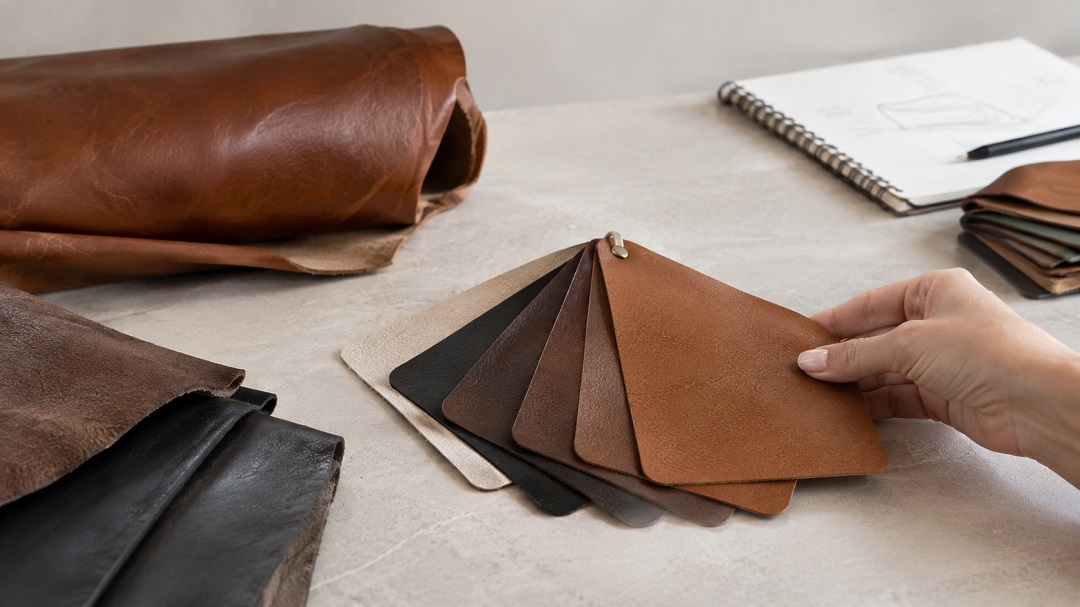
Choosing the Leather Is Part of the Design
One of the most exciting parts of the process is selecting the material. Leather isn’t simply the surface on which a product is made. It becomes part of the design itself.
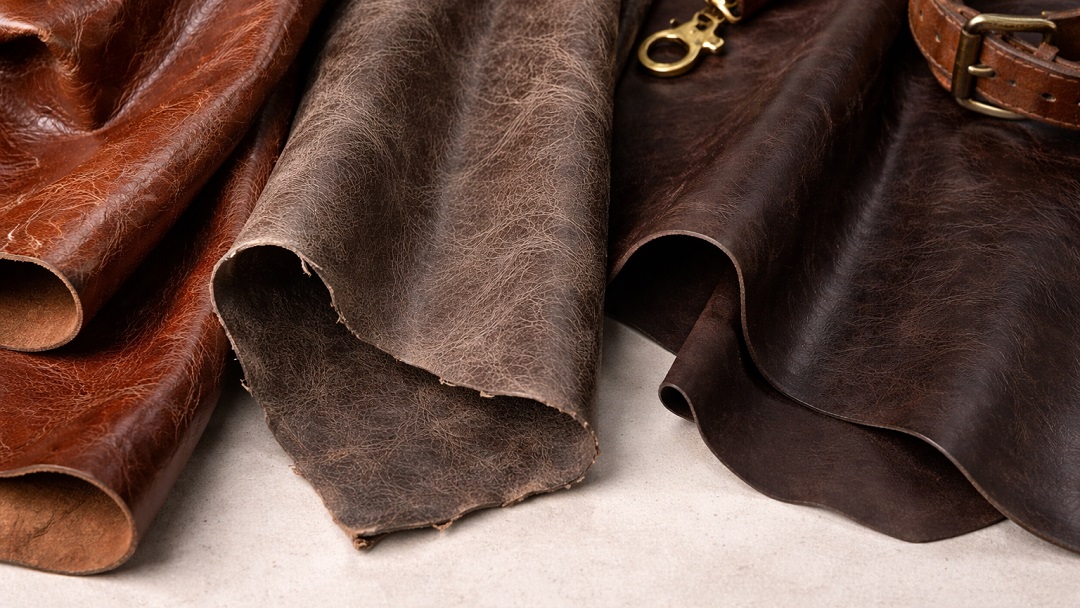
Crazy Horse leather, for example, can create a casual, vintage-inspired look, while vegetable tanned leather offers a more natural character and is an excellent choice for carving, stamping and personalization.
If you are looking for something more distinctive, Ponyskin can completely transform the appearance of a project thanks to its unique surface. Similarly, Laser Cut leather can introduce patterns and intricate details that make even a simple design stand out.
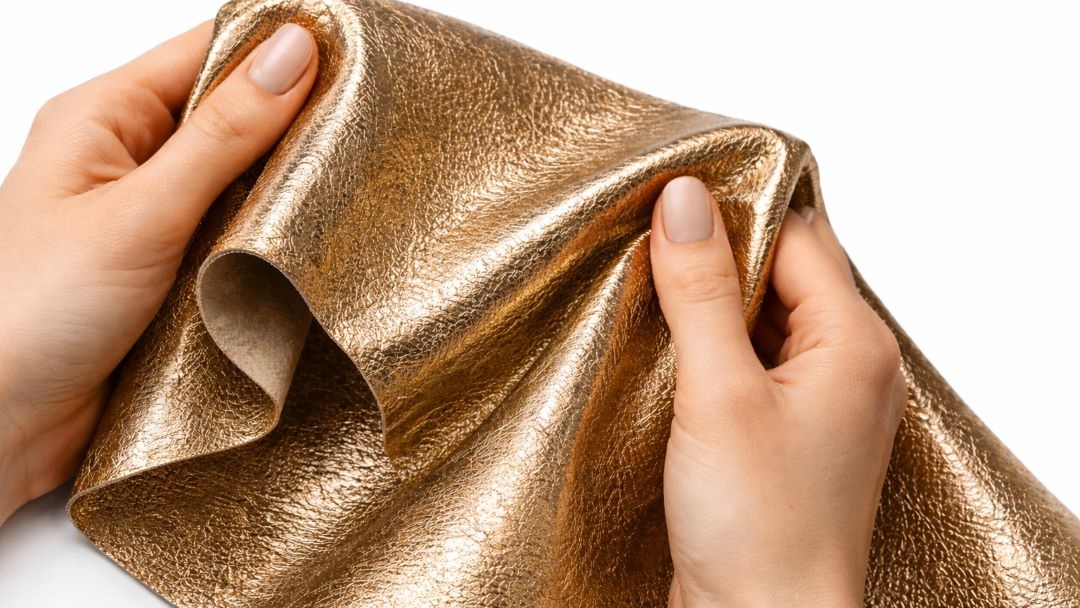
For fashion-oriented creations, animal print leathers, such as snake or crocodile patterns, can create a bold statement, while metallic leathers offer a more contemporary and eye-catching finish.
Even Suede and Nubuck, with their soft and distinctive textures, can add a completely different feel and character to a finished piece.
Think About Function Before Appearance
It is easy to choose a leather simply because you love its color or texture. However, good design starts with a more important question: How will the finished product actually be used?
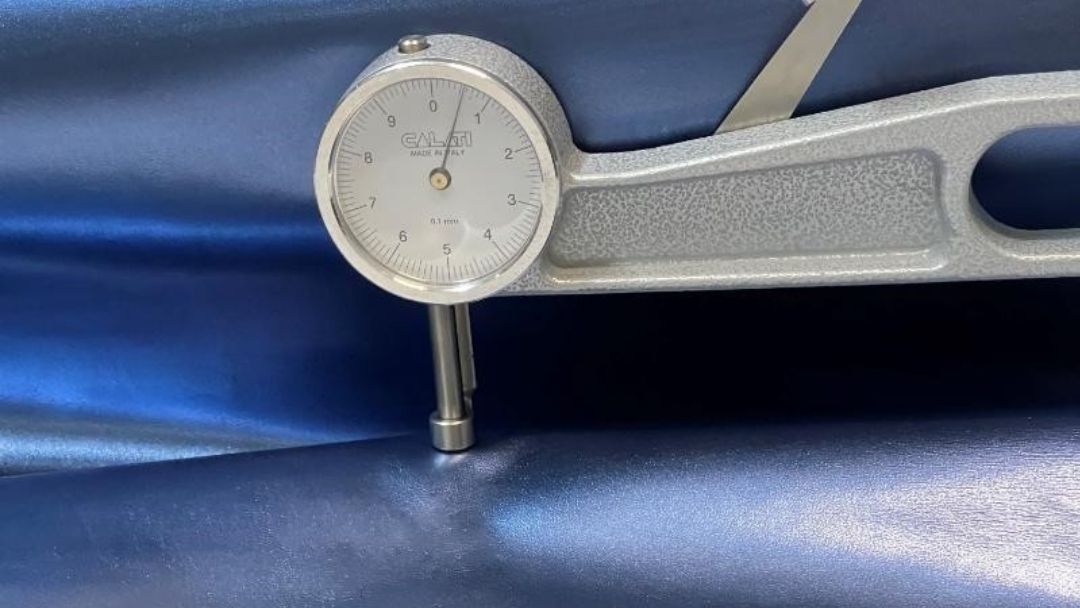
If you’re designing an everyday bag, you need to consider durability, flexibility and leather thickness. If you’re making a wallet, an overly thick leather may make the finished product bulky and uncomfortable.
For a belt or an item that needs to retain its shape, on the other hand, a firmer leather may be a much better choice.
Choosing the right material from the beginning can save time, materials and plenty of trial and error later on.
Color Can Completely Change the Result
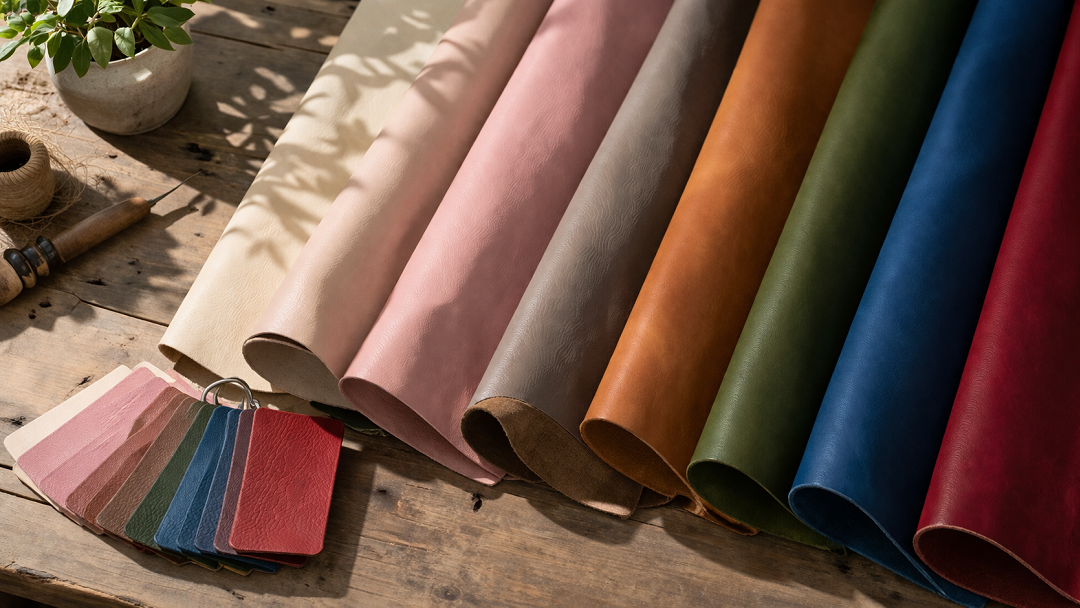
Once you’ve chosen the type of leather, it’s time to think about color. And this is where the creative possibilities really open up.
Classic shades such as black, brown and tan remain timeless, while more distinctive colors can give the same design an entirely different personality.
A warm caramel shade in Crazy Horse leather, for example, can create a relaxed vintage look. A bold color in vegetable tanned leather can make a small accessory stand out, while metallic leather can turn a simple design into a statement piece.
And there’s no rule saying that an entire project has to be made from one type of leather. Combining different colors, textures and finishes can create much more interesting results.
Then Comes the Design
Once the material has been chosen, the design begins to take shape. This is where the original idea needs to become a real set of dimensions.
How large will the item be? Where will the seams go? How will it open and close? Which areas need reinforcement? How much leather will you need?
Planning before cutting is particularly important because a mistake at this stage can mean wasting valuable leather.
Creating patterns and testing the design with a less expensive material can be extremely useful before moving on to the final leather.
Cutting Is the Point of No Return
You have the idea, the leather and the pattern. Now the actual making begins.
Cutting requires accuracy and patience. A clean, precise cut can make a huge difference to the finished product, especially when the design includes multiple joins, curves or details.
This is also the moment when you begin to see your idea becoming real. What was previously just a piece of leather starts taking shape as the object you imagined.
Details Make the Difference
With handmade leather goods, quality isn’t only about the main design. It is also found in the details.
The choice of thread, hardware, stitch spacing, edges, finishing and the way individual pieces are joined together can dramatically change the appearance of the final product.
This is also one of the reasons why two makers can use exactly the same leather and create two completely different pieces.
This Is Where Creativity Really Begins
The beauty of working with leather is that not every project has to begin with a perfect plan. Sometimes the material itself becomes the starting point for the idea.
A distinctive piece of Ponyskin, an impressive Laser Cut leather, or a beautiful piece of Vegetable Tanned leather with natural markings can inspire an entirely new creation.
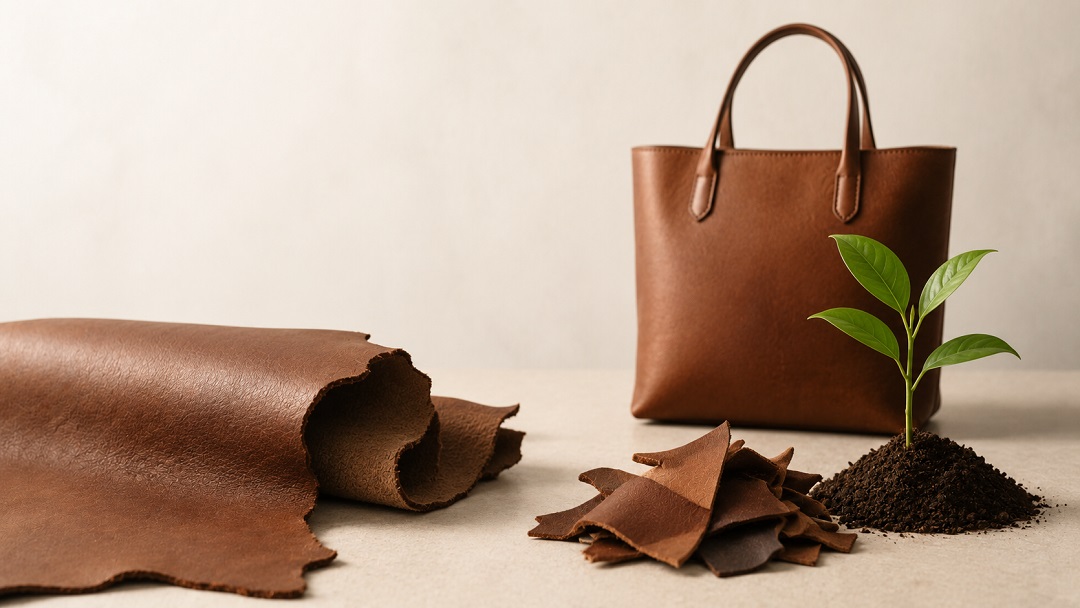
That’s why experimentation is so important. Combine textures, try different colors and keep the smaller pieces left over from previous projects. Sometimes the best idea is hiding in a piece of leather that was originally saved as a leftover.
September Is the Perfect Time for a New Project
Coming back from vacation doesn’t have to mean simply returning to work and everyday routines. It can also be the beginning of a new creative season.
Perhaps there is a design you’ve had in mind for months. Maybe you have a pattern you’ve never had time to try or a beautiful piece of leather you’ve been saving for the right idea.
Now is the time to take it out.
Because ultimately, every leather project begins in exactly the same way: an idea, a piece of leather and the decision to create something of your own.
Conclusion
From the first thought to the finished product, a handmade leather project is a creative process filled with choices. The right leather, color, texture, design and finishing details all work together to create something that is more than just an object—it becomes your own creation.
Whether you choose Crazy Horse, Vegetable Tanned, Ponyskin, Suede, Nubuck, Laser Cut or a distinctive printed or metallic leather, the most important thing is finding the material that fits your idea.
And now that September marks the beginning of a new creative season, perhaps it’s the perfect time to return to your workbench and start your next project.
Frequently Asked Questions
Which leather is best for a first DIY project?
Vegetable tanned leather is a popular choice for beginners, especially for smaller projects involving carving, stamping or personalization.
What is Crazy Horse leather?
Crazy Horse leather is genuine leather with a distinctive finish that creates characteristic changes in color and develops a beautiful patina through use.
What can Ponyskin leather be used for?
Ponyskin is commonly used for fashion accessories, bags, wallets and decorative details where its distinctive texture can be highlighted.
What is Laser Cut leather?
Laser Cut leather is leather that has been precisely cut using laser technology to create patterns and intricate designs, adding a distinctive and creative finish to leather goods.