Everything You Need to Know About Ponyskin Leather

What is Ponyskin Leather
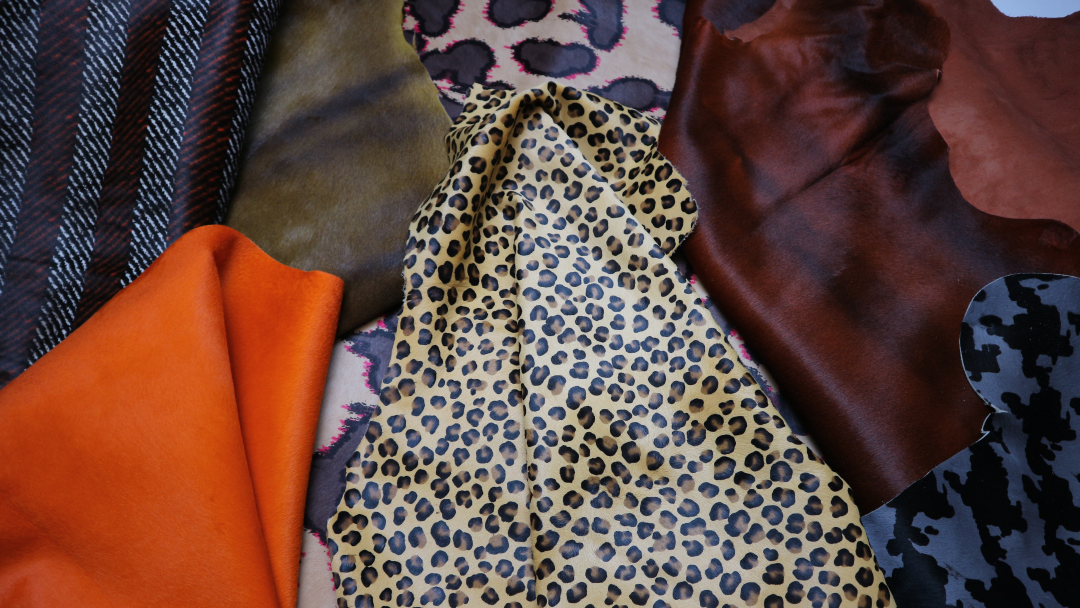
Contrary to what the name might suggest, Ponyskin leather never comes from actual ponies. Instead, “pony hair / pony skin” refers to a type of hair‑on leather made from the hide of cattle (or sometimes goats) — often cowhide — in which the hair is left intact, rather than removed as in conventional leather tanning.
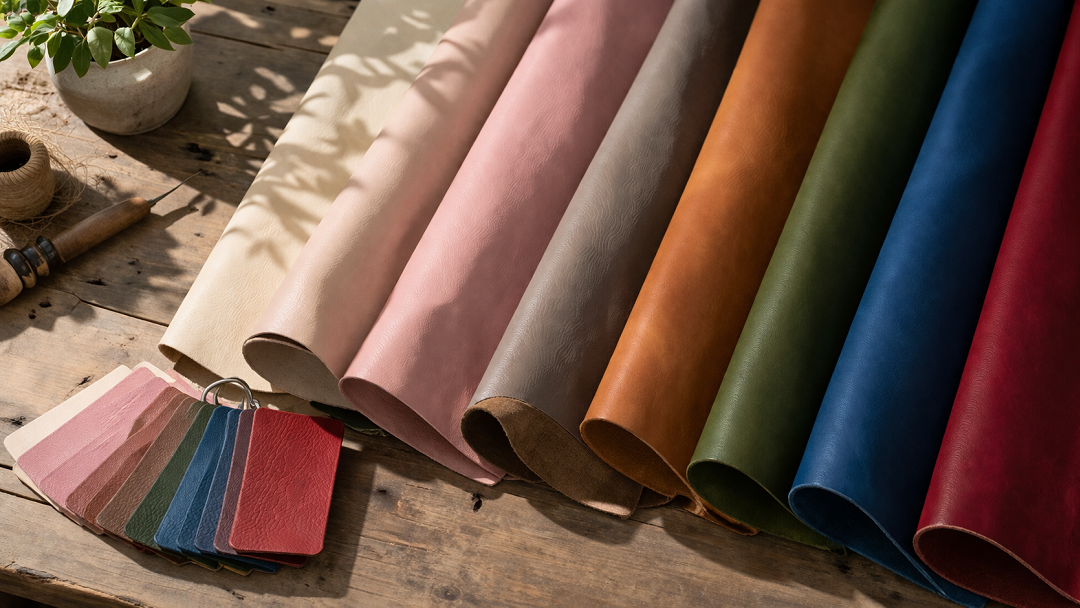
In practice, the hide’s hair-side is selected, shaved (or prepared) so that its appearance resembles the hide of a pony or horse, then typically bleached and dyed into a variety of colors or patterns (animal prints, solids, etc.).
Because of this process, Ponyskin is also known by other names such as “hair‑on leather,” “haircalf,” “calf‑hair,” or “hair-on-hide.”
Why Ponyskin Is Valued — Benefits and Aesthetic Qualities
- Natural texture & unique appearance: Because the hair remains on the leather, each piece has a distinctive, rich texture — sometimes with natural variations in color and pattern — that distinguishes it from smooth leather. This makes Ponyskin particularly attractive for statement pieces and fashion accessories.
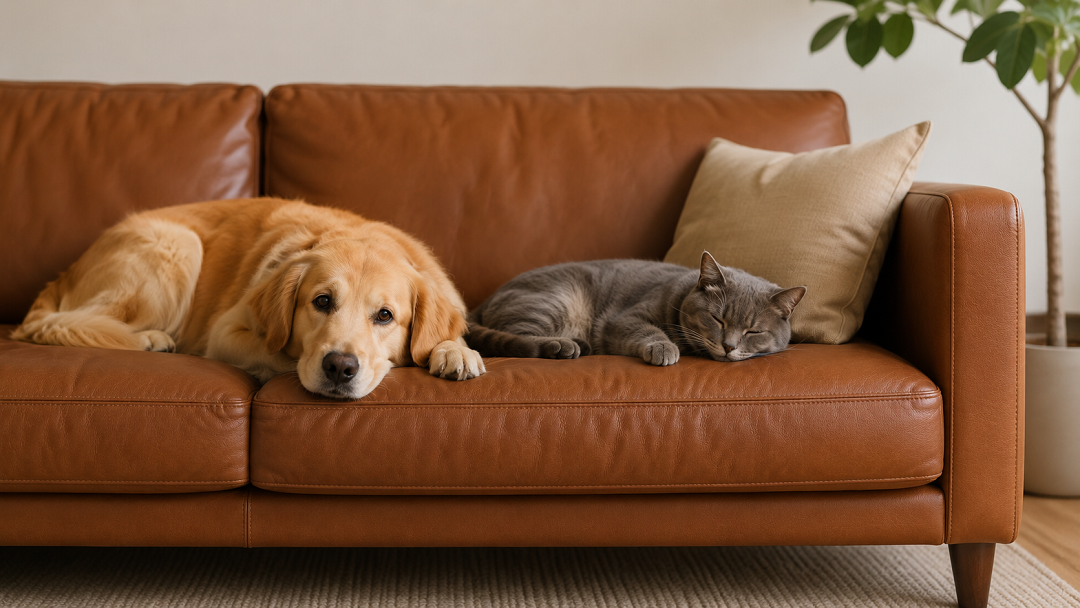
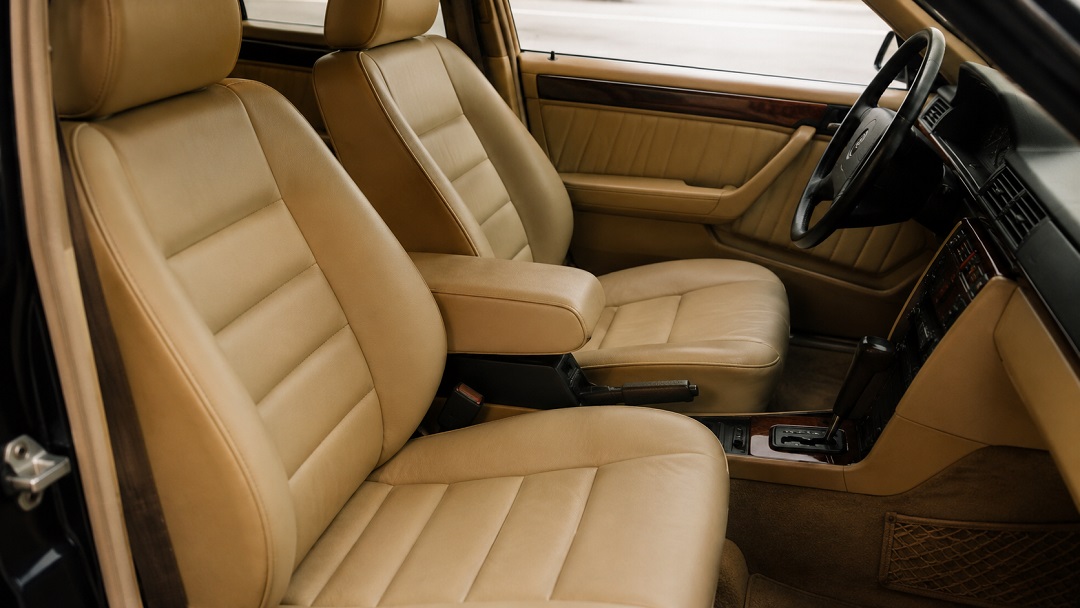
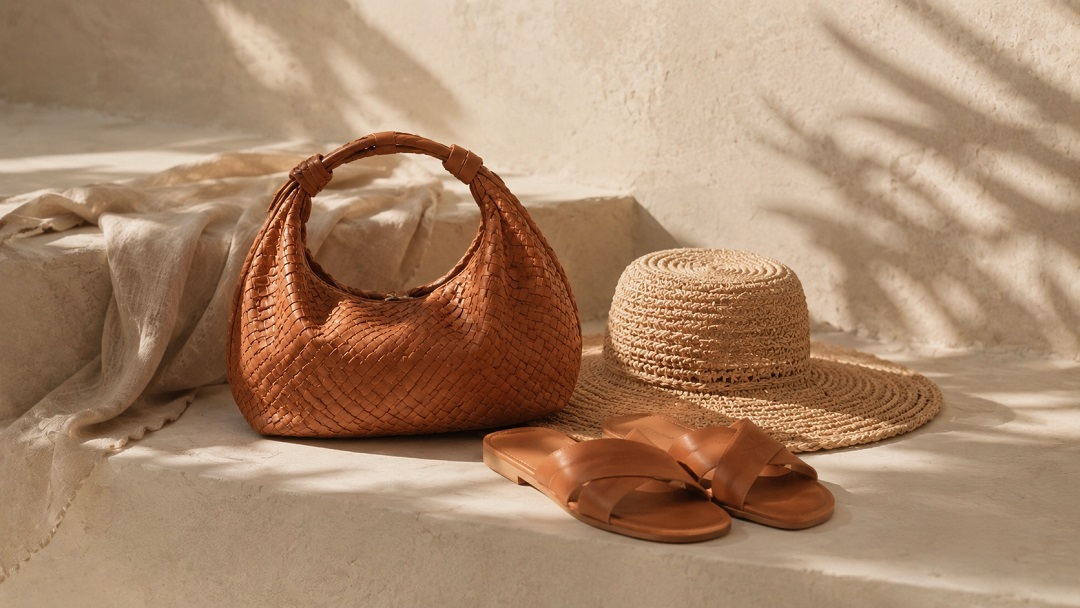
- Versatility of use: Ponyskin is used in a wide range of products: high‑end bags, shoes, belts, watch‑straps, and other accessories. It’s also sometimes used in home décor or furniture (e.g. upholsteries, decorative items), though its main appeal remains in fashion.
- Premium / luxury appeal: The combination of real leather, hair‑on texture, and sometimes animal‑print or dyed finishes gives Ponyskin items a “luxury / fashion‑forward” character. That makes it a popular choice for designers and boutique leather‑craft brands.
Things to Know / Consider When Working With Ponyskin
- It’s not “pony,” but cow (or goat) hide: Many consumers assume Ponyskin comes from ponies — but in almost all cases, it’s cowhide (or occasionally other animals), just processed to retain the hair.
- Care requirements: Because the hair remains on the leather, Ponyskin needs more delicate care than smooth leather: avoid heavy moisture, harsh chemicals or abrasive cleaning. Many recommend gentle brushing in the direction of the hair for cleaning and maintenance.
- Durability considerations: While Ponyskin is genuine leather, the hairs can wear out or shed over time if exposed to friction or rough use — so items should be treated with care to preserve appearance.
Why Ponyskin Fits Perfectly With Your Leather Business
Given that you already import leather (from Italy) and sell various leather hides — adding a Ponyskin category makes great sense because:
- You can extend your offerings from “classic hides” to a more fashion‑oriented, value‑added material.
- You meet customers looking for distinctive, luxury‑style hides — for bags, belts, home décor, handmade crafts, etc.
- Ponyskin hides can help position your store as versatile: catering both to traditional leather‑craft clients and to fashion‑conscious buyers.