Top 5 Leather Trends for 2026 – Natural Leather

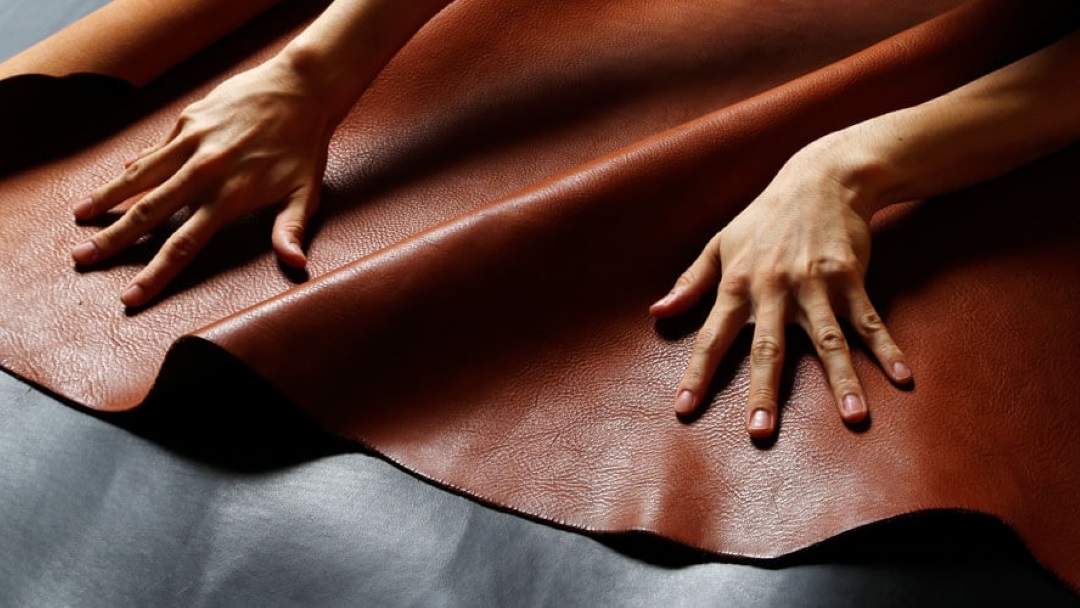
The natural leather trends 2026 clearly reflect a shift in mindset. Natural leather is no longer seen as a fast-fashion material, but as a premium raw material with history, depth and long-term value. Quality, authenticity and responsible production are now at the center of attention, especially for brands that work with real leather and natural hides.
Below are the five leather trends that define 2026.
1. Sustainable Natural Leather and Vegetable Tanning
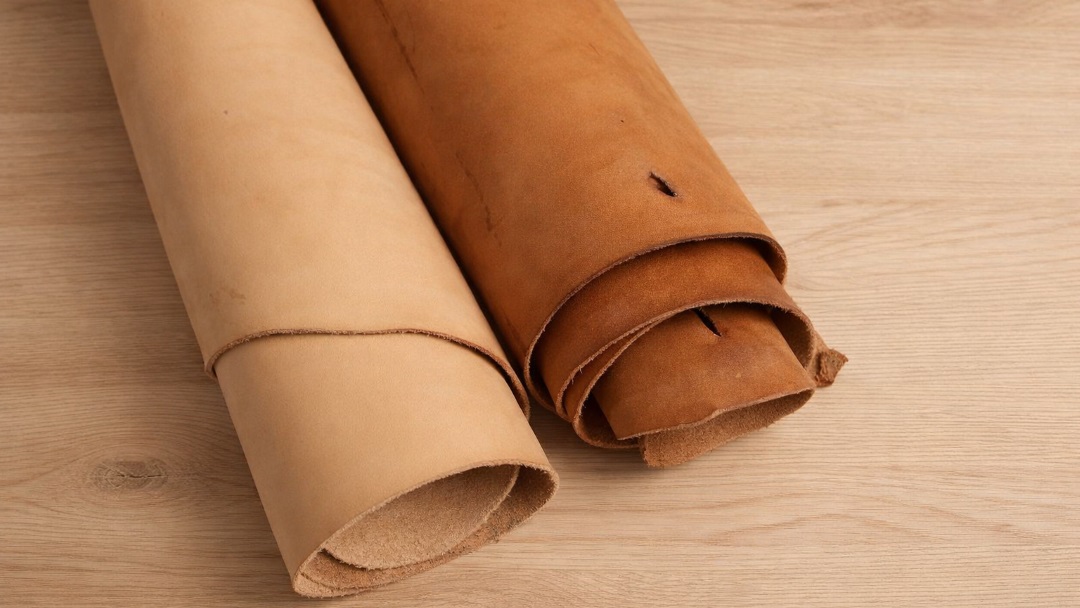
Sustainability is no longer a niche concept in leather production. In 2026, natural leather is increasingly associated with gentle tanning methods, vegetable tannins and transparency in sourcing. Consumers want to know where the leather comes from and how it is processed. High-quality hides, with natural grain and minimal chemical treatment, are gaining value because they respect both the material and the environment. This trend strongly favors leather that is designed to last and age naturally over time.
2. Statement Leather as a Core Design Element
Natural leather is no longer used as a subtle detail. One of the strongest leather trends for 2026 is the rise of statement pieces where leather defines the entire look. Jackets, coats, bags and large leather surfaces are designed with confidence and presence. Instead of heavy finishing, the focus is on clean cuts and visible texture, allowing the material itself to stand out.
3. Fuller Leathers and Total Leather Looks
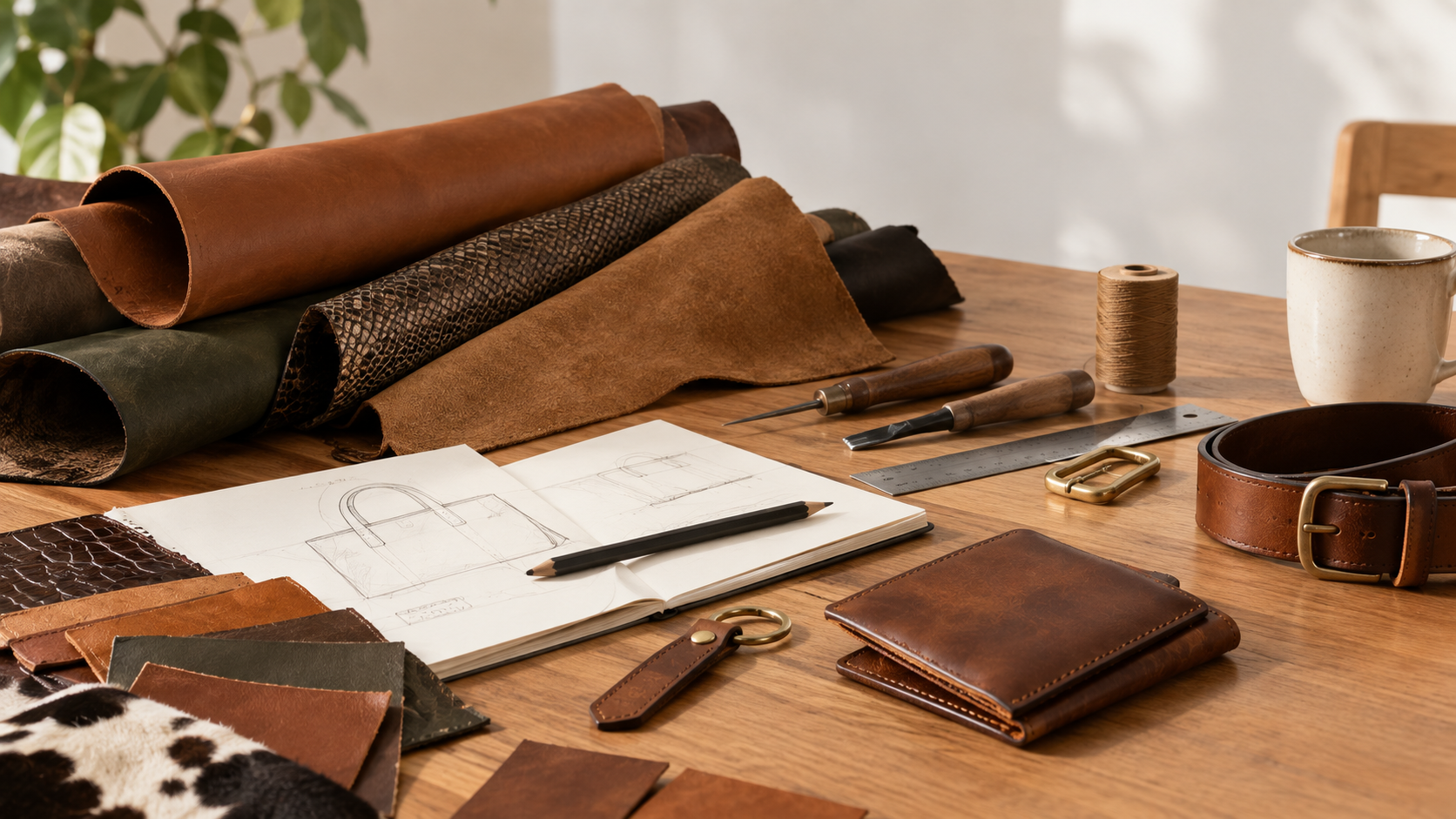
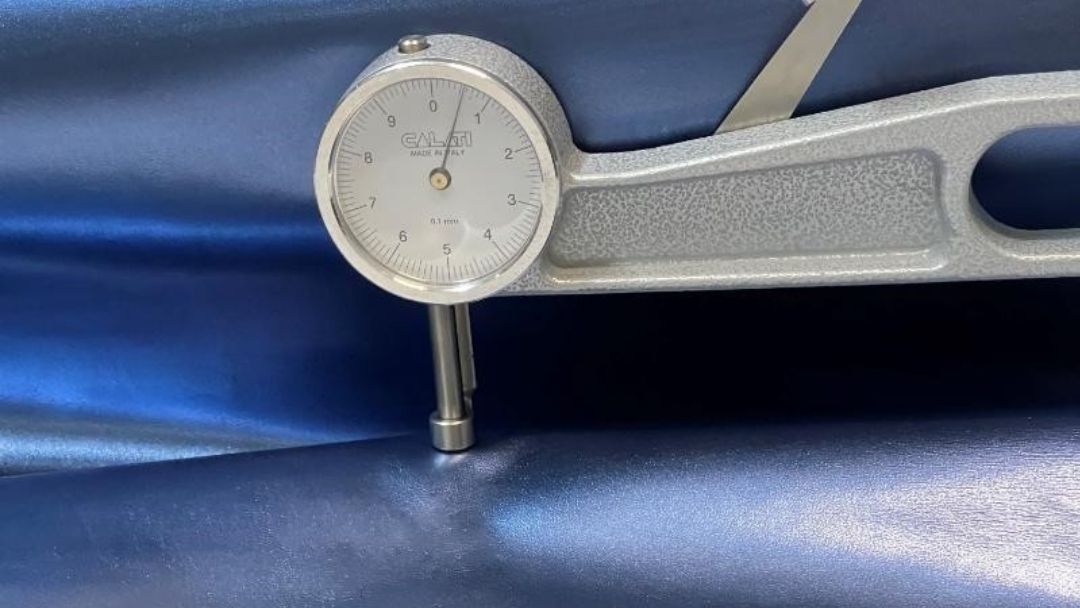
Another clear shift in the natural leather trends 2026 is the return to fuller, more substantial leather qualities. Designers and craftsmen are moving away from ultra-thin, overly refined leathers and embracing thicker, more durable hides. Total leather looks and structured leather garments highlight the strength and versatility of natural leather, connecting modern fashion with traditional leathercraft and handmade production.
4. Used Look, Patina and Leather with Character
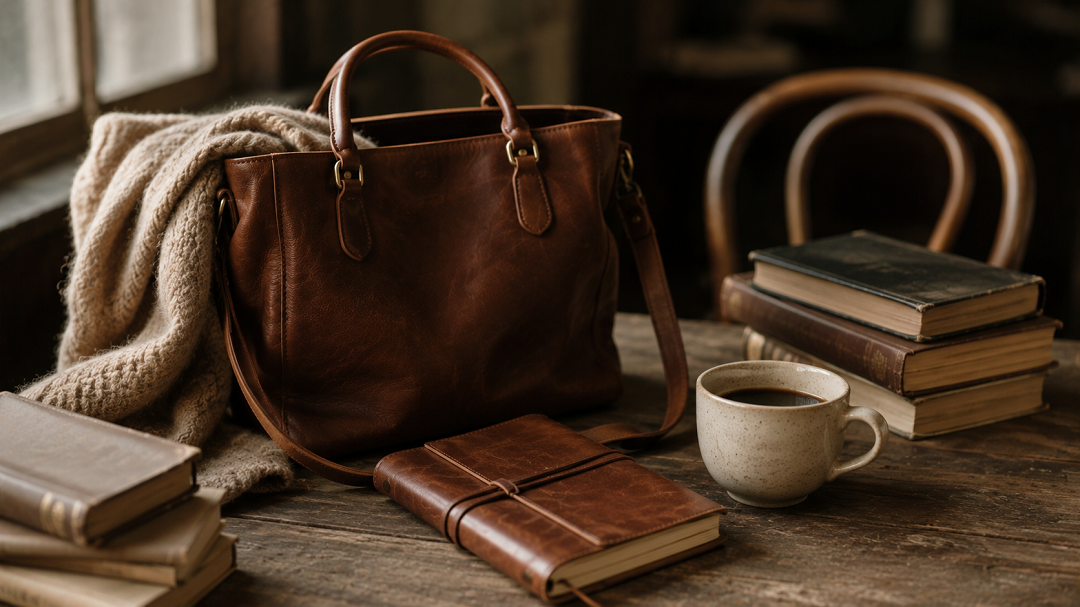
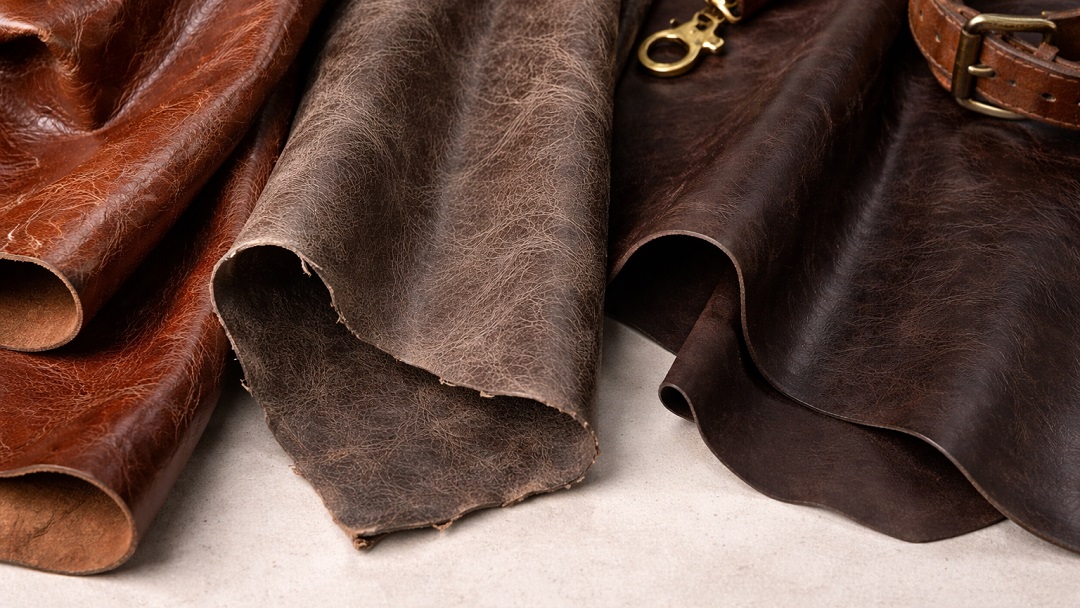
Perfectly uniform leather is no longer the goal. In 2026, patina, natural marks and variations are seen as proof of authenticity rather than imperfections. The used look celebrates leather as a living material that evolves with time. Products that develop character through wear are increasingly valued, reinforcing the idea that real leather tells a story and becomes more beautiful as it ages.
5. Earthy Colors and Timeless Natural Tones
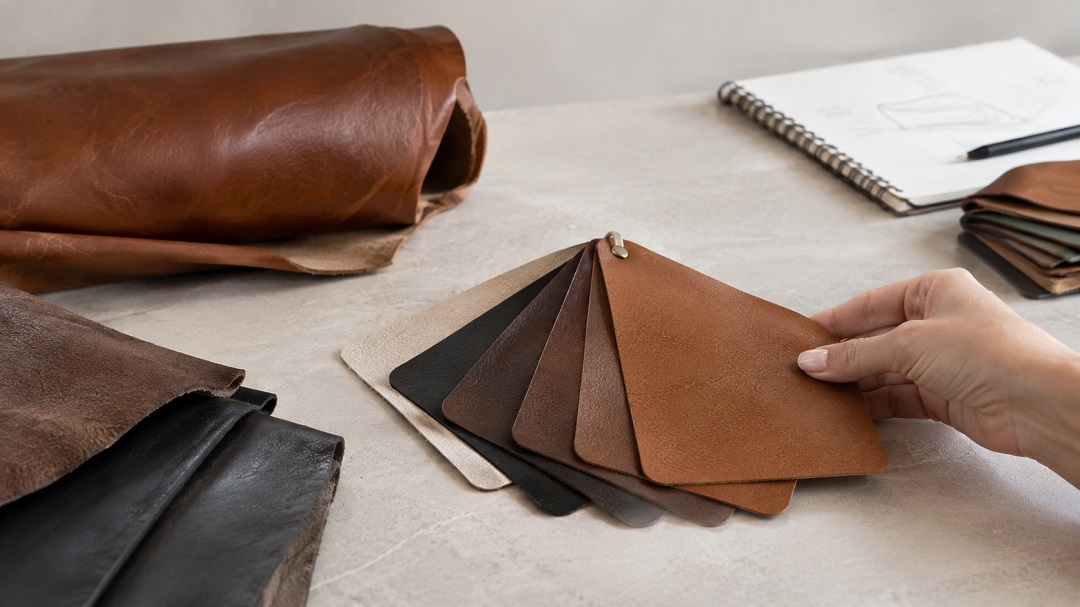
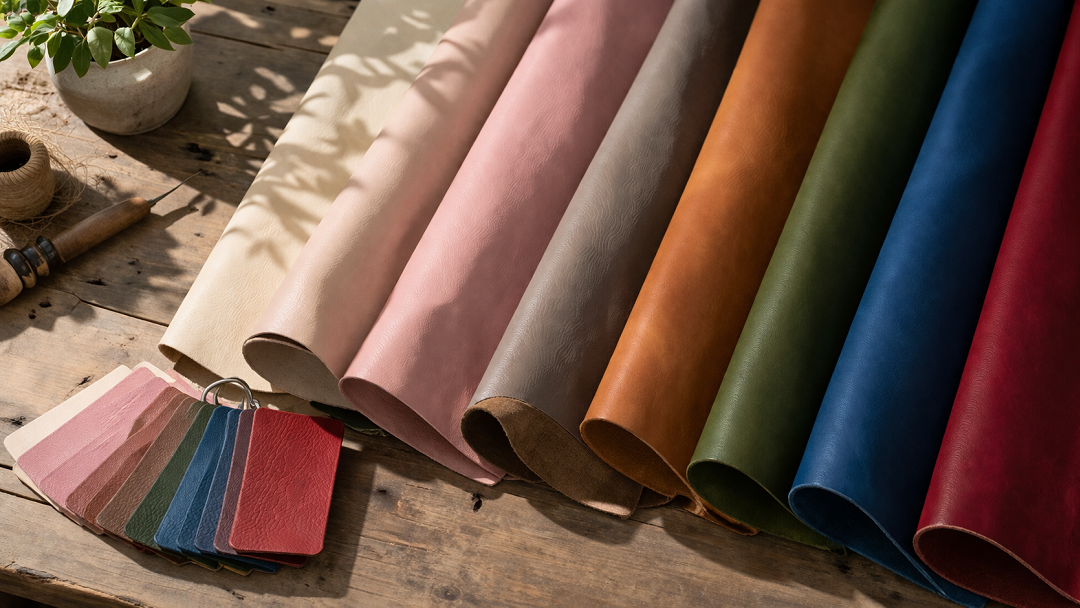
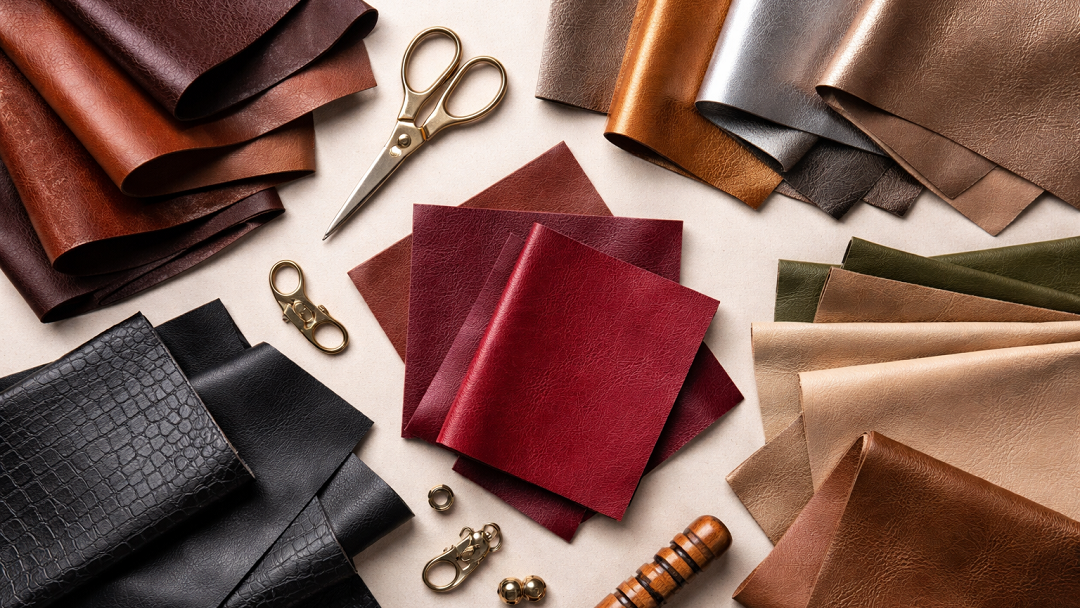
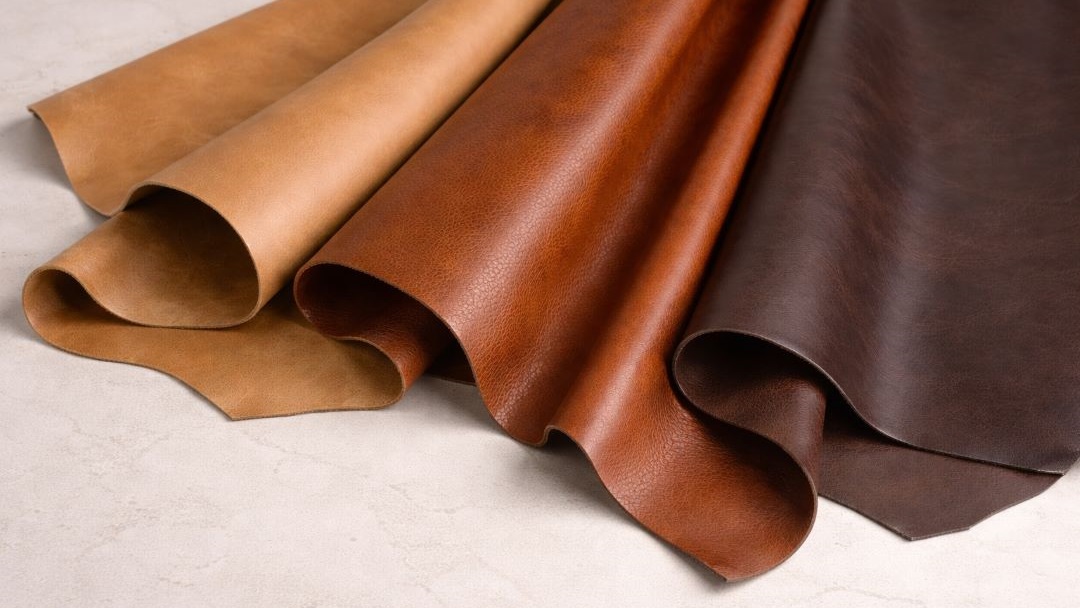
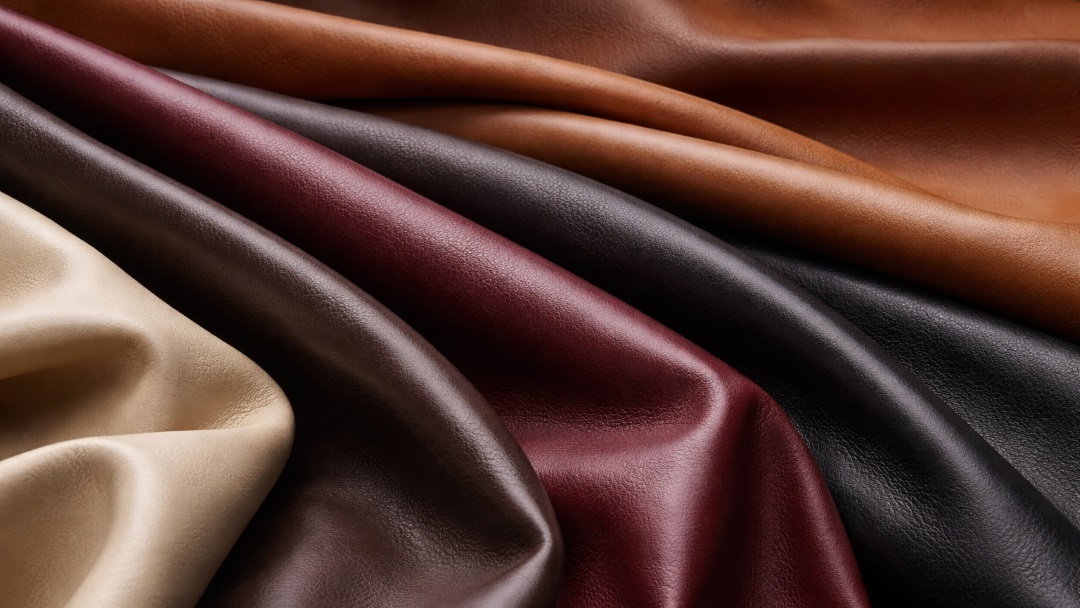
Color trends in natural leather are moving toward earthy, timeless shades. Brown, tan, cognac, deep black and warm neutral tones dominate the palette. These colors enhance the natural grain and texture of leather, creating a sense of warmth, quality and longevity. Rather than following seasonal trends, these tones emphasize the lasting appeal of natural leather across fashion, interiors and craftsmanship.
Closing Thoughts
The natural leather trends 2026 confirm a broader return to authenticity. Quality raw materials, respectful processing and long-lasting products are once again the foundation of the leather industry. For brands that focus on real leather and premium hides, these trends are not a new direction, but a continuation of the values that define true leather craftsmanship.