


The Timeless Tradition of Italian Leather

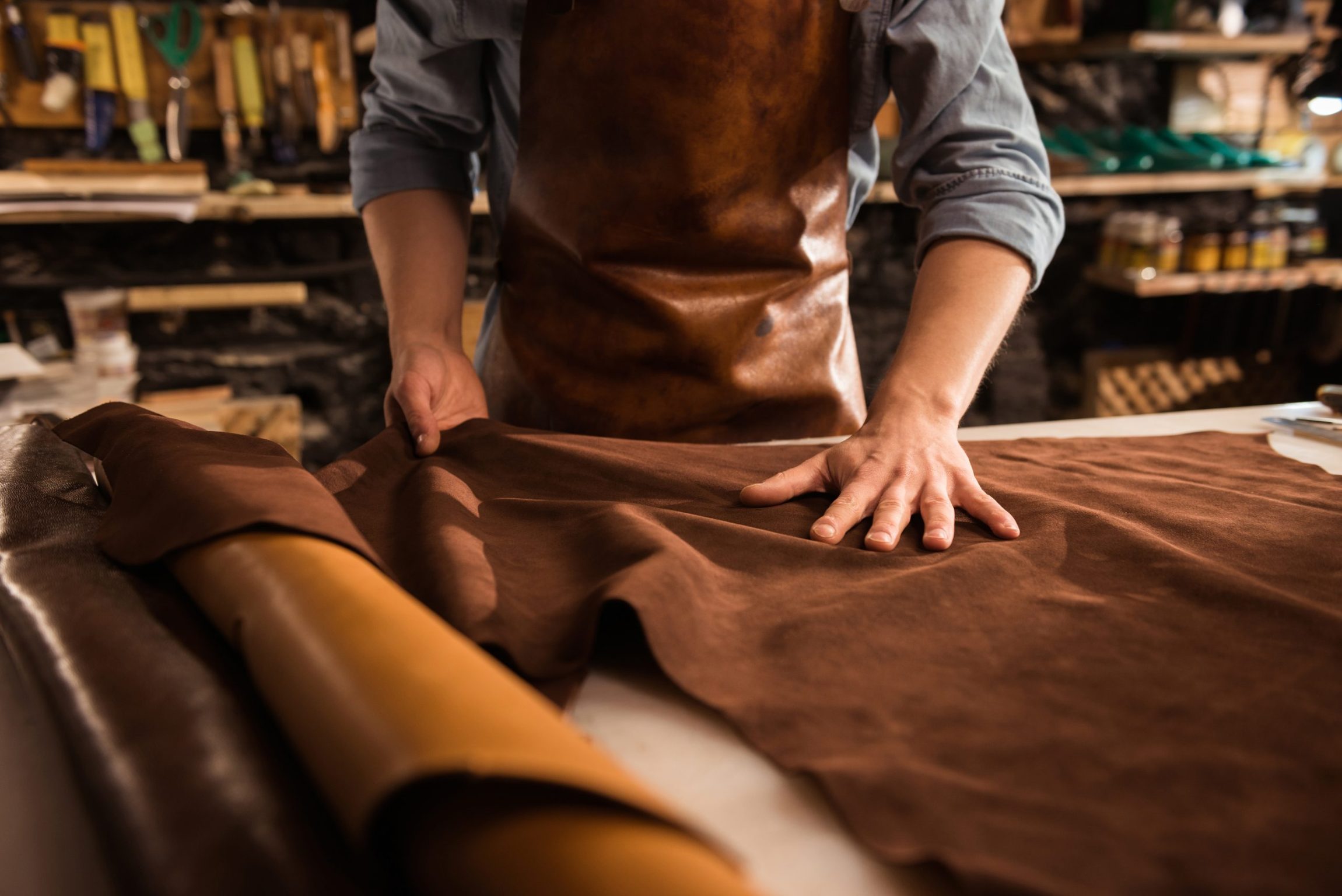
The Origins of Italian Leather
Leather tanning has been part of Italy’s culture for more than a thousand years. Dating back to the Etruscans and the Romans, hides were tanned to produce sandals, belts, armor, and everyday goods. By the Middle Ages, leather tanning had developed into a structured craft, organized into guilds that controlled quality and passed down skills from generation to generation.
Famous Leather Regions in Italy
- Tuscany (Santa Croce sull’Arno & Florence): Known for vegetable-tanned leather, luxury handbags, and wallets.
- Campania (Solofra): Specializes in goat and sheep leather, with workshops producing both fashion items and accessories.
- Veneto: A strong hub for footwear production, combining traditional tanning with modern technology.
- Lombardy (Milan area): A center of high-end fashion houses that rely heavily on Italian leather.
Italian Leather in Fashion and Lifestyle
Italian leather is synonymous with elegance, durability, and sophistication. Handbags, shoes, jackets, furniture, and car interiors made from Made in Italy leather are globally respected for their superior finish. Italian artisans carefully select hides from cattle, calves, goats, and sheep — animals originally raised for food — and transform them into luxury products.
Numbers That Matter
- Italy exports over 70% of its leather production worldwide.
- The Tuscan tanning district alone processes over 200,000 tons of hides each year, supplying both luxury and mass markets.
- Italian brands represent billions of euros in global exports, keeping Italy at the top of the leather supply chain.
Iconic Italian Leather Brands
- Gucci – globally renowned for handbags and accessories.
- Prada – a symbol of luxury and minimalistic design.
- Salvatore Ferragamo – famous for leather shoes and innovation in footwear.
- Tod’s – specializing in driving shoes and leather goods.
- Valextra & The Bridge – representing heritage craftsmanship in handbags.
Why “Made in Italy” Leather is Special
The excellence of Italian leather comes from three factors:
- Tradition: centuries of know-how.
- Quality: careful tanning, often vegetable-based.
- Design: Italian style that blends history with modern trends.
Italian leather is more than material — it’s a lifestyle, a legacy, and a guarantee of quality.