


Best Practices for Protecting Your Leather Furniture at Home

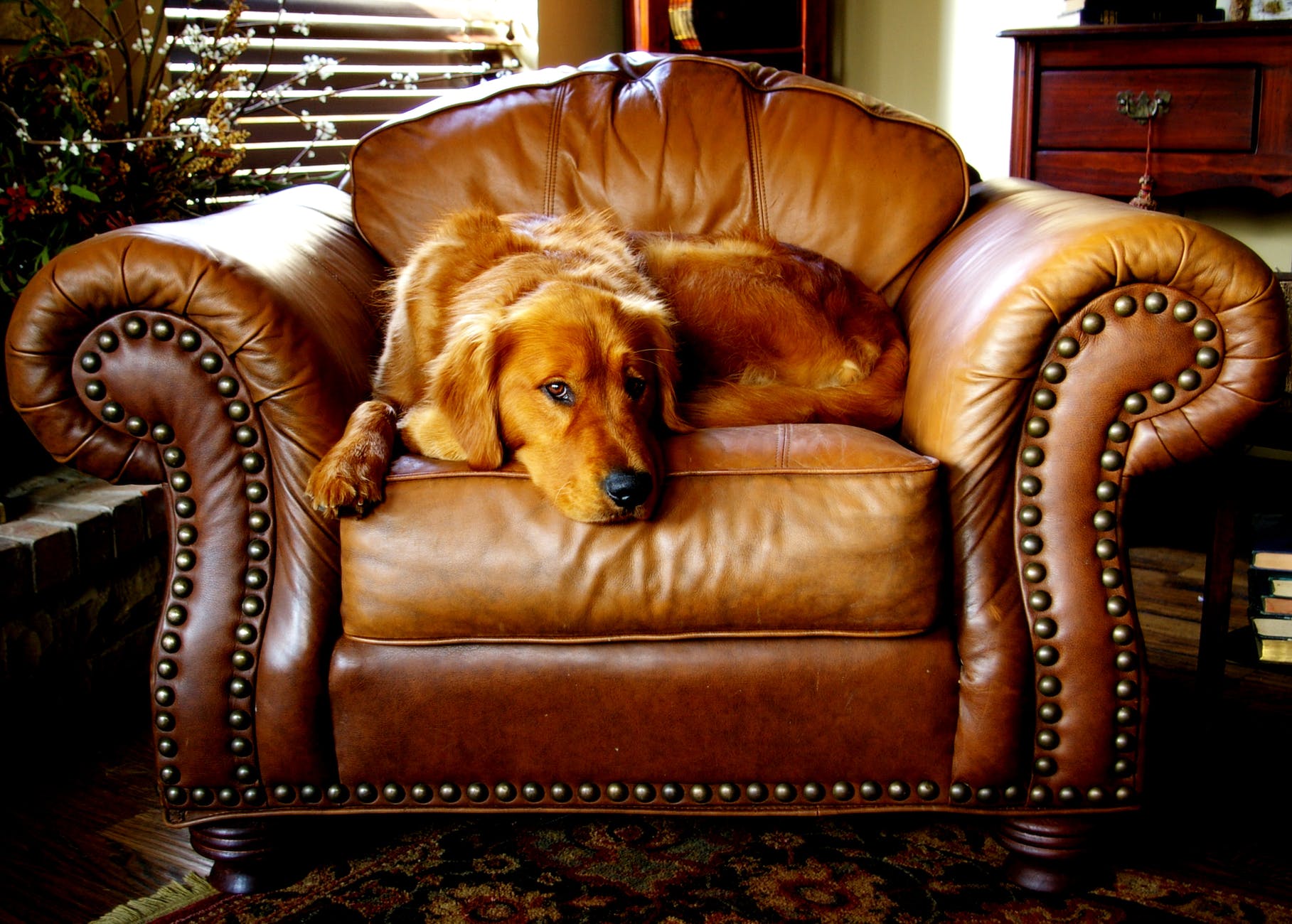
- Wipe leather furniture down regularly with a clean, dry cloth. Use a microfiber cloth. Incorporate wiping the furniture into your weekly household cleaning routine. Keeping dust from building up is the best preventative cleaning measure.
- For more stubborn dust, dampen the cloth with distilled water. Make sure that the cloth is not soaking wet. Never let the water soak into the leather.
- Always be sure to use a soft cloth and never use an abrasive brush or scrubber as this can scratch and damage the leather.
- Vacuum the furniture’s crevices. All furniture builds up dirt and debris, so the leather is no exception. Use your vacuum’s hose attachment with a soft-bristled brush. Gently run the brush across the entire surface. Vacuum in between and under all the cushions.
- Remove the cushions if you can, to make vacuuming more effective. If you can’t remove them, get in the crevices as best you can. You might also use a narrow attachment to get deeper into the furniture.
- Clean spills immediately with a dry cloth. When anything spills onto the leather upholstery, blot it away as soon as possible. Use a dry cloth or sponge to absorb as much of the spilled liquid as possible, only resorting to a moistened cloth if necessary. Use as little water as possible to clean the spill, and wipe the area dry afterward.
- Wiping at a spill will only spread it further, so be sure to blot it. Take the dry cloth and set it on top of the stain and leave it there for five seconds or so while it absorbs the spill.
- For non-water spills, you may need to use a tiny dab of gentle soap with warm water. If the stain is bad enough, it’s best to consult a professional, so you don’t make it worse.
- The most important thing is to clean the spill up quickly so that it does not have time to soak into the leather.
- Use cleaners designed for leather. Detergents, solvents, all-purpose cleaning sprays, ammonia, bleach, and furniture polish can all be harmful to leather furniture. Do not apply these products in an attempt to clean the furniture or remove stains. Keep a leather-specific cleaner on hand for occasional cleaning and emergencies.
- You may feel that buying a cleaner ahead of time is not a good use of your money, but if you do need it, you’ll appreciate having it on hand rather than needing to go out and buy it. Cleaning up a mess quickly can save your leather.
- Note that cleaning and deodorizing aren’t necessarily the same thing. In case of smoke odor in the furniture, for instance, you can skip the cleaner and place a bag full of coffee grounds nearby to remove the smell.
- Read the manufacturer’s label or provided care instructions. General care guidelines are useful, but it is always good to read any information provided by the manufacturer or distributor about specific care suggestions for your piece. Some leather furniture may have specific care instructions based on the qualities.
Making Leather Last
- Place leather furniture in the right room locations. Since leather is made of animal skin, think of caring for it in ways similar to how you care for your own skin. Do not position your leather furniture under an air condition vent, close to a fireplace or heater, or in direct sunlight. All of these can dry out the leather and cause it to crack or fade.
- It is okay if sunlight hits the furniture for part of the day, but long-term exposure will damage the leather.
- It is okay for leather to be in air-conditioned or heated rooms, but try to keep it from being directly under or next to the source.
- Apply a leather conditioner regularly. Conditioning the leather regularly keeps it from drying out and developing cracks. Apply a conditioner once or twice a year with a microfiber cloth. Use just enough to lightly cover the leather. Contact the manufacturer to ask what type of conditioner they recommend.
- Leather conditioners can be purchased from many furniture stores. It is also available at auto parts stores, where it is sold for conditioning leather car interiors.
- Choose a quality brand as opposed to something cheaper because you don’t want something that will end up harming the leather. Conditioner is a maintenance cost of keeping leather furniture in good shape, so don’t consider it optional.
- Store leather furniture carefully. If you need to put leather furniture into a storage unit for a time, get it professionally cleaned beforehand and ensure it is thoroughly dried. Place a plastic sheet under it to combat moisture seeping in. Leather needs to breathe, so never wrap leather furniture in plastic, as this will cause moisture to build up and ruin the leather.
- Never place other heavy items on top of leather furniture, as this can cause irreparable indentations in the leather.
- Place leather furniture on top of wooden pallets to keep it off of the ground.
Repairing Damaged Leather Furniture
- Fix torn leather with a patch. Take a piece of denim patch that you would use on a pair of jeans. Cut it slightly larger than the tear in the leather, and round the edges of the patch. Use tweezers to gently stuff it into the tear, so it lays flat under the tear. Use a flexible glue for plastic or vinyl and apply it to the patch. Squeeze the tear closed over it.
- Rather than just gluing the tear closed, which will cause it to be a dent, placing a patch under creates a new layer under the leather which will hold it together and keep it smooth.
- Stop at this point and the tear will be repaired. To improve the look, use superglue in the tear, gently sand while it is still wet which adds dust to the glue, and then restore the color with leather color restoration.
- Remove dents with heat. Leaving something heavy on furniture can cause a dent. Get a heat gun, or use a hairdryer if you prefer. On the low setting, heat up the dented area of the leather. Gently use both of your hands to stretch the leather outward from the dent. Repeat the process of heat and stretch until the dent has been removed or reduced in appearance.
Restore the color of faded leather with a repair kit. Go to a furniture store, a hardware store, or look online to buy a leather color repair kit. This will typically include cream or balm that you gently rub into your furniture. You’ll choose a color that matches as well as possible. Take a cloth, put some cream on it, and gently rub it into the spots that are most faded.